Clean air ducts are essential for healthy indoor air, efficient HVAC operation, and a comfortable home environment. However, over time, dust, debris, and other contaminants accumulate in the ductwork. This buildup can lead to reduced airflow, higher energy bills, and even allergy or respiratory issues for your household. Understanding what causes dirty air ducts and how to prevent them is the first step in protecting your home.
From pets to poor filtration, several factors contribute to duct contamination. In this article, we’ll break down the root causes of dirty air ducts, their consequences, and practical ways to prevent buildup using both routine maintenance and professional services.
Why Do Air Ducts Get Dirty?
Air ducts act as the delivery system for your home’s heating and cooling. Every time your HVAC system runs, it circulates air throughout your home, along with dust, pollen, pet dander, and other airborne particles. Over time, these particles accumulate inside your ductwork, especially in areas where airflow slows or gets trapped.
While some dust is inevitable, several key factors accelerate contamination. Knowing these causes helps homeowners take targeted action to prevent excessive buildup and maintain cleaner indoor air.
Common Causes of Dirty Air Ducts
Dirty air ducts rarely occur from a single cause. Typically, multiple factors contribute simultaneously.
Inadequate Air Filtration
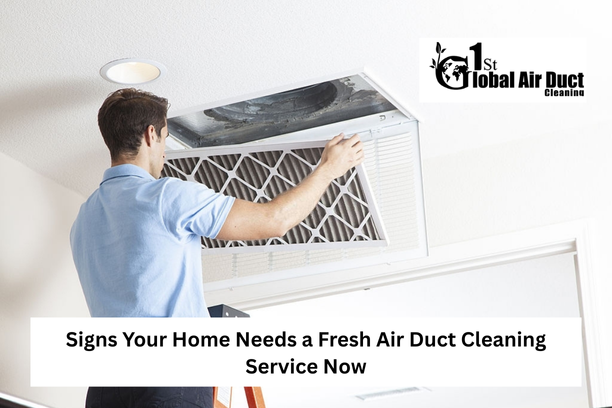
Filters capture large particles before they enter the duct system, but missing or low-quality filters allow dust and debris to travel deeper. Poor filtration allows more particles to settle in the ducts over time, creating thicker dust layers and restricting airflow.
Indoor Contaminants—Pets, Dust & People
Every day activities introduce contaminants into your HVAC system. Pet dander, human skin cells, and fibers from clothing and fabrics are pulled into ducts through return vents. The more occupants or pets in a household, the faster ducts accumulate debris.
Poorly Sealed or Leaky Ductwork
Leaky ducts draw in dust from crawl spaces, attics, or basements. Gaps in ductwork create suction that pulls in dirt and debris from outside the conditioned air path, accelerating duct contamination and reducing system efficiency.
Construction and Renovation Debris
Home remodeling or repairs can generate significant dust and particulate matter. Without protective measures, HVAC systems can circulate these particles into the ducts, causing sudden, heavy buildup.
Moisture, Humidity & Mold Growth
Moisture in ductwork—caused by leaks, condensation, or high humidity—provides an ideal environment for mold, mildew, and bacteria. These biological contaminants attach to dust particles, making them harder to remove and increasing the risk to indoor air quality.
Why Duct Buildup Matters
Ignoring dirty ducts can impact your home in multiple ways:
- Reduced indoor air quality: Dust, pollen, and mold spores circulate freely.
- Allergy and respiratory issues: Buildup can aggravate asthma or sensitivities.
- HVAC efficiency decline: Blocked airflow forces the system to work harder, increasing energy costs.
- Odors and moisture problems: Musty or stale smells may develop inside your home.
Regular maintenance and cleaning help prevent these issues and extend your HVAC system’s lifespan.
Proven Ways to Prevent Duct Buildup
Preventing duct buildup requires a combination of everyday habits and professional intervention. Key strategies include:
Primary prevention tips:
- Replace HVAC filters regularly, at least every 1–3 months
- Use filters with appropriate MERV ratings for your system.
- Schedule routine professional air duct inspections
- Clean vent covers and registers periodically.
- Seal ductwork leaks professionally to prevent dust ingress.
- Control indoor humidity levels to avoid moisture buildup.
- Maintain overall home cleanliness, vacuuming and dusting frequently.
- Limit indoor sources of airborne particles (smoking, excess pet hair)
Each of these actions helps reduce the accumulation of dust, debris, and other contaminants inside your ducts.
Role of Professional Air Duct Maintenance
Even with consistent preventive measures, professional air duct maintenance is critical. Technicians use specialized equipment to:
- Thoroughly clean duct interiors
- Remove stubborn dust, allergens, and microbial contaminants.
- Inspect ductwork for leaks, damage, or mold growth.
- Optimize airflow for improved HVAC performance.
Professional maintenance ensures that the preventative habits you follow at home are supported by deep cleaning and system assessment.
Signs Your Air Ducts Are Dirty
Recognizing early symptoms allows homeowners to schedule maintenance before serious issues arise. Watch for:
- Visible dust or debris near vents
- Increased allergy or respiratory symptoms
- Musty or unpleasant odors
- Dust is accumulating faster than usual after cleaning.
- Inconsistent heating or cooling
If any of these signs appear, professional cleaning may be necessary.
When to Call a Professional
Call an expert if:
- Mold or microbial growth is suspected inside the ducts
- Leaks or damage to ductwork are identified.
- Airflow issues persist despite filter replacement.
- Household members experience unexplained respiratory issues.
Early professional intervention reduces long-term damage and maintains cleaner indoor air.
Conclusion
Dirty air ducts are a common but preventable household problem. By understanding the root causes—from poor filtration to leaks, pets, and moisture—you can take effective steps to reduce dust and debris buildup. Combining preventive habits with professional air duct maintenance ensures cleaner air, improved HVAC efficiency, and a healthier home environment. Don’t wait for problems to escalate; schedule an inspection and protect your indoor air today.
FAQs
Q1: What causes air ducts to become dirty?
Ans: Dust, debris, pets, smoking, construction dust, leaks, and moisture contribute to duct contamination.
Q2: How can I prevent dust buildup in air ducts?
Ans: Replace filters regularly, maintain cleanliness, seal duct leaks, control humidity, and schedule professional inspections.
Q3: Can dirty air ducts affect HVAC efficiency?
Ans: Yes. Blocked ducts reduce airflow, forcing the system to work harder and increasing energy costs.
Q4: Do clean filters stop ducts from getting dirty?
Ans: Filters help reduce dust, but some particles still enter ducts. Regular professional cleaning is recommended.
Q5: When should I call a professional for duct cleaning?
Ans: When visible dust, mold, odors, airflow issues, or allergies indicate excessive buildup.