“It’s about empowering homeowners with easy, practical steps to reclaim their indoor air and protect their family’s health. It shows how small daily habits, smart cleaning techniques, proper filtration, and preventive maintenance can dramatically reduce dust and allergens, leading to cleaner air, better sleep, and a more peaceful home. Ultimately, it’s a reminder that a healthier life often begins with the simple choices we make inside our own walls.”
Key Takeaways:
- Small, consistent habits can dramatically improve indoor air quality.
- Reducing dust and allergens protects your family’s health and comfort.
- Proper filtration, cleaning, and maintenance prevent chronic allergy symptoms.
- Clean air supports better sleep, energy, and overall well-being.
- Every simple step you take makes your home safer, healthier, and more peaceful.
Do you ever wake up sneezing, rubbing your eyes, or feeling congested even before stepping outside? For millions of families, home should be a place of comfort, not a trigger for allergy symptoms. Yet dust, pollen, pet dander, mold spores, and other invisible irritants quietly settle into our living spaces every single day. Over time, these particles build up and turn your home into a breeding ground for discomfort.
The truth is, you may not be able to control the air outdoors, but you can control the air inside your home. And that control can make a life-changing difference for anyone who struggles with allergies, asthma, or respiratory sensitivity. The good news? You don’t need complicated or expensive solutions to start seeing improvements. With a few simple habits and smart upgrades, you can dramatically reduce dust, improve indoor air quality, and create a healthier home for your family.
Let’s walk through practical, proven ways to remove dust and fight household allergies, one step at a time.
Why Dust Is Quietly Hurting Your Health
Dust Isn’t Just Dirt: It’s a Cocktail of Hidden Irritants
When most people see dust, they think of harmless dirt that simply needs to be wiped away. But the truth is far more unsettling. Household dust is a complex blend of microscopic particles that quietly invade your air and surfaces, and ultimately your lungs. You may not see these tiny invaders, but you feel their impact every single day.
Dust is made up of a mixture of:
- Dead Skin Cells – Humans naturally shed millions of skin cells daily. These flakes become a major component of household dust and serve as a food source for dust mites.
- Pet Dander – Tiny skin flakes and proteins from cats, dogs, and other animals that easily become airborne and trigger allergies.
- Pollen – Tracked inside through open doors, windows, shoes, and clothing, even when allergy season seems far away.
- Mold Spores – Microscopic fungal particles that thrive in damp environments and can spread through the air unnoticed.
- Dust Mites – Invisible creatures that live in bedding, carpets, and upholstery, leaving behind allergenic waste.
- Fabric Fibers – Shed from clothing, blankets, carpets, and furniture over time.
- Pest Debris – Tiny particles from insects and rodents, including droppings and body fragments.
Together, these particles create an invisible cloud that drifts through your home and settles on surfaces, carpets, furniture, and deep inside your HVAC system. Every time your heating or cooling system turns on, it can pick up these contaminants and push them back into the air you breathe. It becomes a never-ending cycle of exposure.
How Constant Dust Exposure Affects Your Body
For people with allergies, asthma, or respiratory sensitivities, this continuous dust circulation can feel overwhelming. But even healthy individuals can experience negative effects over time.
Common symptoms include:
- Sneezing and coughing that seem to come out of nowhere
- Runny or stuffy nose that lingers throughout the day
- Itchy eyes and an irritated throat that won’t go away
- Wheezing and shortness of breath, especially during activity or at night
- Fatigue and poor sleep, caused by nighttime breathing disruptions
These symptoms aren’t just inconvenient. They slowly chip away at your comfort, your energy, and your overall quality of life. What starts as mild irritation can grow into chronic discomfort if the source isn’t addressed.
It’s Not About Looks, It’s About Your Health
Reducing dust isn’t just about keeping your home looking clean. It’s about creating a safer, healthier space where your family can truly relax and breathe easy. Every surface you wipe, every filter you replace, and every deep clean you schedule directly support your well-being.
A dust-free home means:
- Fewer allergy flare-ups
- Better sleep
- Easier breathing
- Improved focus and energy
- Greater peace of mind
When you begin to see dust for what it really is, not a cosmetic issue, but a health concern, your cleaning habits gain new purpose. You’re no longer just tidying up. You’re protecting the people you love.
And that makes every small effort feel incredibly worthwhile.
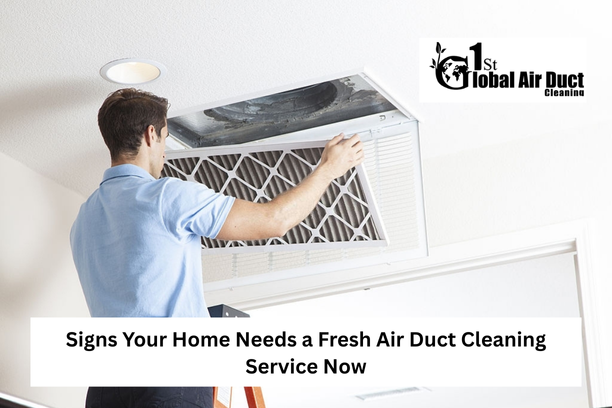
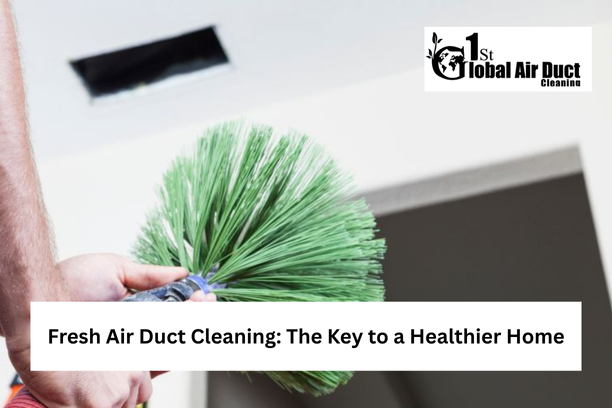
1. Start with Professional Air Duct Cleaning
Your HVAC system acts like your home’s lungs. If the ducts are dirty, the air you breathe is dirty.
Over time, dust, pollen, mold, and debris collect inside ductwork. Even with regular filter changes, contaminants still accumulate on duct walls.
Scheduling professional Air Duct Cleaning Services helps remove layers of buildup that normal household cleaning cannot reach. Source-removal methods use specialized equipment to loosen debris and vacuum it out safely.
Benefits include:
- Cleaner circulating air
- Reduced allergens and irritants
- Improved HVAC efficiency
- Less dust settles on surfaces
Most homes benefit from duct cleaning every one to two years, or sooner if you notice heavy dust buildup, musty odors, or worsening allergies.
2. Choose the Right Air Filter for Your Home
Your air filter is your first line of defense against airborne particles.
Understanding filter ratings matters:
Low MERV Filters (1–12)
- Capture large particles only
- Inexpensive but less effective
- Often requires monthly replacement
High MERV Filters (13–16)
- Traps smaller particles like pollen and pet dander
- Balance airflow and filtration
- Excellent choice for most households
HEPA Filters
- Capture up to 99.97% of particles as small as 0.3 microns
- Best for severe allergies or asthma
- May restrict airflow if the HVAC system isn’t designed for them
If you’re unsure what your system can handle, consult an HVAC professional before upgrading.
3. Dust Smarter, Not Harder
Dry dusting often pushes particles back into the air. Instead:
- Use microfiber cloths
- Lightly dampen a cloth with water or dusting spray
- Wipe from top to bottom
Microfiber traps dust instead of spreading it. Pay special attention to:
- Ceiling fans
- Baseboards
- Window sills
- Shelves
- Electronics
This small change can significantly reduce airborne dust.
4. Vacuum Weekly with a HEPA Vacuum
Carpets and rugs act like giant filters. They trap dirt, pollen, and allergens deep within fibers.
Vacuum at least once per week using a vacuum with a HEPA filter. High-traffic areas may need more frequent cleaning.
Don’t forget:
- Area rugs
- Stairs
- Upholstery
- Curtains
Slow, steady passes pull out more debris than quick back-and-forth motions.
5. Wash Bedding in Hot Water
Your bed is one of the biggest allergy hotspots in your home.
Dust mites thrive in mattresses, pillows, and sheets. They feed on dead skin cells and love warm, humid environments.
Wash sheets and pillowcases weekly in hot water to kill dust mites and remove allergens.
Consider:
- Allergy-proof mattress covers
- Washable pillow protectors
Clean bedding can dramatically improve sleep quality and morning symptoms.
6. Declutter to Reduce Dust Traps
Every decorative item, stack of magazines, or pile of clothing collects dust.
Simplify your space:
- Store items in closed bins
- Reduce knickknacks
- Keep surfaces clear
Less clutter means fewer places for dust to settle and easier cleaning.
7. Control Humidity Levels
High humidity encourages mold growth and dust mites.
Aim for indoor humidity between 30% and 50%.
Use:
- Dehumidifiers in damp areas
- Bathroom exhaust fans
- Kitchen range hoods
Balanced humidity creates an environment where allergens struggle to survive.
8. Add UV Light Technology to Your HVAC System
A UV light installed inside your HVAC system helps neutralize mold, bacteria, and viruses that grow on coils and in damp areas.
While it doesn’t remove dust, it reduces biological contaminants that contribute to allergic reactions and musty odors.
This upgrade works best when combined with good filtration and clean ductwork.
9. Don’t Forget Dryer Vents
Clogged dryer vents don’t just waste energy. They also collect lint, dust, and debris that can circulate back into your home.
Professional Air Duct & Dryer Vent Cleaning removes buildup from both systems, improving air quality and reducing fire risk.
Clean vents mean cleaner air and safer operation.
10. Clean Upholstery and Mattresses Regularly
Furniture absorbs dust, skin cells, and allergens just like carpets.
Weekly vacuuming of:
- Sofas
- Chairs
- Mattresses
- Headboards
goes a long way. Periodic professional upholstery cleaning removes deep-seated contaminants that household vacuums cannot reach.
You truly do live on your furniture. Keeping it clean protects your lungs.
Small Steps That Create a Healthier, Happier Home
A healthier home doesn’t happen overnight. It isn’t built through one massive change or a single deep cleaning session. It’s created through small, intentional habits repeated day after day. Simple choices that may feel minor in the moment slowly stack together, forming a powerful shield against dust, allergens, and harmful pollutants.
What’s beautiful about these small steps is that they are achievable for everyone. You don’t need perfection. You don’t need expensive equipment. You just need consistency and care.
Here are a few simple actions that can quietly transform your home into a place where your family can breathe easier, sleep better, and truly feel at peace.
Replace Your Air Filter Regularly
Your air filter works nonstop, trapping dust, pollen, pet dander, and other airborne particles before they circulate through your home. When it becomes clogged, it can no longer protect you effectively.
Make it a habit to check your filter monthly and replace it as recommended. A clean filter means cleaner air, improved airflow, and less strain on your HVAC system. It’s a small task that takes minutes, but the impact lasts for weeks.
Vacuum and Dust with Intention
Instead of rushing through cleaning, focus on doing it right.
Use microfiber cloths for dusting so particles are captured, not spread. Vacuum carpets, rugs, and upholstery at least once a week, especially in high-traffic areas. If possible, use a vacuum with a HEPA filter for better allergen removal.
These simple routines prevent dust from building up and becoming airborne again and again.
Wash Bedding Weekly
Your bed should be a place of rest, not a source of allergens.
Washing sheets and pillowcases in hot water once a week removes sweat, dead skin cells, and dust mites. Fresh bedding doesn’t just feel good. It helps reduce nighttime congestion, coughing, and restless sleep.
This single habit alone can dramatically improve how you feel each morning.
Keep Humidity in Check
Excess moisture creates the perfect environment for mold and dust mites.
Use bathroom fans, kitchen exhaust fans, and dehumidifiers when needed. Aim to keep indoor humidity between 30% and 50%. Balanced humidity discourages allergen growth and makes your home more comfortable year-round.
Declutter One Area at a Time
You don’t need to overhaul your entire house.
Start small. A shelf. A nightstand. A closet corner.
Fewer items mean fewer places for dust to settle. Less clutter also makes cleaning faster and less overwhelming. Each cleared space brings a sense of calm and control.
Open Windows When Air Quality Is Good
Fresh outdoor air can help dilute indoor pollutants.
On days when pollen counts and pollution levels are low, open your windows for short periods to refresh indoor air. Even 10 to 15 minutes can make a noticeable difference.
Schedule Preventive Maintenance
Regular HVAC checkups, duct cleaning, and equipment inspections prevent buildup before it becomes a problem. Preventive care saves money, protects your system, and supports cleaner air throughout your home.
Think of it as healthcare for your house.
The Power of Small Choices
None of these steps requires drastic lifestyle changes. They don’t demand perfection. They simply ask for awareness and consistency.
Over time, these small habits:
- Reduce allergy symptoms
- Improve sleep quality
- Increase energy levels
- Create a fresher-smelling home
- Protect long-term respiratory health
Most importantly, they create a home that feels safe, comforting, and nurturing.
A healthier, happier home isn’t built in a day. It’s built one small step at a time. And every step you take is an act of love for yourself and the people who walk through your door.
Final Thoughts
Your home should be a sanctuary, not a source of discomfort. Yet dust and allergens, although often invisible, quietly affect your health every single day. However, the good news is that you are not powerless. In fact, you can take control and turn your space into a place where comfort and wellness truly live.
By starting with simple cleaning habits, you reduce the buildup of harmful particles. At the same time, upgrading your air filtration helps capture what regular cleaning misses. Additionally, controlling humidity keeps mold and allergens from thriving. And when needed, scheduling professional services adds an extra layer of protection for your family. As a result, your indoor air becomes fresher, lighter, and easier to breathe.
Most importantly, clean air is not a luxury. It is the foundation of better living. So instead of waiting, start today. Even small steps matter, because over time they create meaningful change. Ultimately, you will feel the difference in your energy, your comfort, and in every single breath you take.
FAQs
Q1. How often should air ducts be cleaned?
A: Most homes benefit from air duct cleaning every one to two years. Homes with pets, smokers, recent renovations, or allergy sufferers may need more frequent service.
Q2. Do air purifiers help with allergies?
A: Yes. Air purifiers with HEPA filters can reduce airborne allergens, especially in bedrooms and living areas.
Q3. Are HEPA filters safe for all HVAC systems?
A: Not always. HEPA filters can restrict airflow. Check with an HVAC professional before installing one.
Q4. Can cleaning really reduce allergy symptoms?
A: Absolutely. Removing dust, mold, pollen, and dander reduces exposure, which often leads to fewer and milder symptoms.
Q5. Is professional cleaning better than DIY?
A: DIY cleaning helps with surface dust, but professional equipment reaches deep into ducts, carpets, and upholstery where allergens hide.