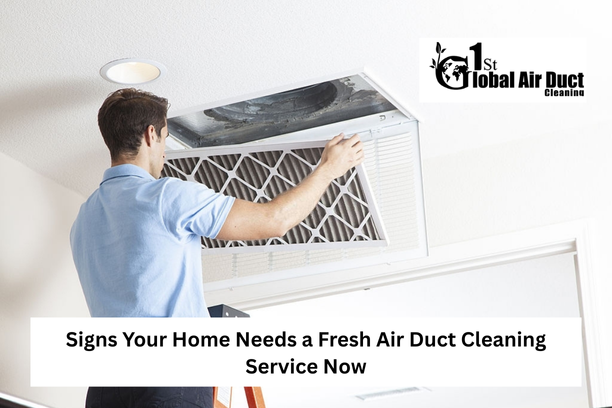
“Safe and effective ways to disinfect air ducts can help prevent mold and protect your indoor air quality. It highlights why bacteria and mold grow inside duct systems and the warning signs homeowners should not ignore. The guide also outlines simple prevention steps and shows when professional cleaning becomes the safest and most reliable option.“
If your home ever smells musty when the HVAC turns on, or your allergies seem worse indoors than outside, it can feel unsettling. The air inside your home should bring comfort, not irritation or worry. Yet hidden inside your ductwork, mold spores, bacteria, and dust can quietly circulate through every room. Studies from the Institute of Medicine show that microbial growth in HVAC systems can aggravate asthma and respiratory issues, even in people who are otherwise healthy. That reality makes air duct disinfection more than a maintenance task. It becomes an act of care for your family.
This guide walks you through simple, safe methods to disinfect air ducts, explains what causes mold to grow, and shows how to keep your system clean long after sanitizing. If you want cleaner air and peace of mind, you are in the right place.
Why Mold and Bacteria Easily Grow in Air Duct Systems
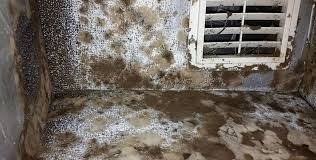
Air ducts create the perfect hiding place for contaminants. They are dark, often slightly damp, and rarely disturbed. When dust, pet dander, and moisture mix together, mold growth becomes almost inevitable.
Common triggers include condensation from temperature changes, clogged drain pans, poor ventilation, and dirty air filters. Over time, these issues can lead to indoor air contamination that spreads throughout your home every time the system runs. This is why HVAC duct sanitizing plays such a crucial role in maintaining healthy indoor air quality.
Warning Signs Your Air Ducts Need Disinfecting
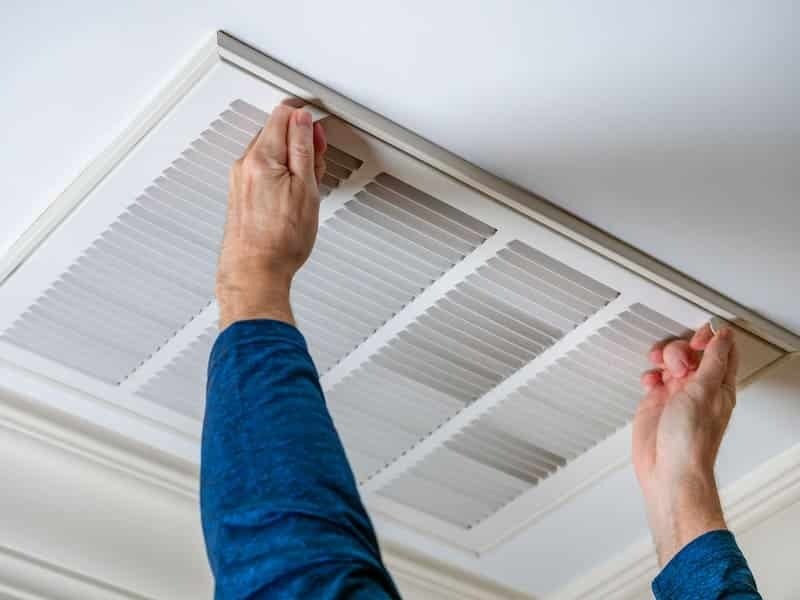
Your home often gives subtle signals before a serious issue develops. Paying attention early can prevent costly repairs and health concerns.
Persistent Musty Odors
If you notice a damp or moldy smell when the heat or AC turns on, it often indicates microbial growth in the ductwork.
Worsening Allergy or Asthma Symptoms
Frequent sneezing, coughing, or breathing discomfort indoors may be caused by mold spores or bacteria circulating through the vents.
Excessive Dust After Cleaning
When dust settles quickly after wiping surfaces, your ducts may be redistributing debris throughout your home.
These signs often mean it is time for air duct mold removal and proper disinfection.
Simple Methods to Disinfect Air Ducts Safely
Disinfecting air ducts does not mean spraying a fragrance and hoping for the best. True duct sanitization requires a thoughtful, step-by-step approach.
1. Start With a Thorough Inspection
Look for visible mold, rust, water stains, or heavy dust buildup around vents and registers. This helps determine how extensive the problem is.
2. Turn Off the HVAC System
Always shut down the system before cleaning. This prevents airborne particles from spreading and keeps the process safe.
3. Deep Clean Before Sanitizing
Disinfection only works when debris is removed first. High-powered vacuum systems designed for residential duct cleaning pull out dust, lint, and allergens trapped inside the ducts.
4. Use an EPA-Approved Duct Sanitizer
Only apply disinfectants registered with the Environmental Protection Agency. These products are designed to reduce bacteria, fungi, and certain viruses without compromising indoor safety.
5. Allow Proper Dwell Time
For effective HVAC disinfecting, the sanitizer must circulate for the recommended time. Rushing this step reduces results.
6. Seal and Reassemble
Once cleaning and sanitizing are complete, vent covers are reinstalled, and the system is sealed to prevent leaks and contamination.
This process supports long-term indoor air quality improvement rather than short-lived results.
The Hidden Risks of DIY Air Duct Disinfection
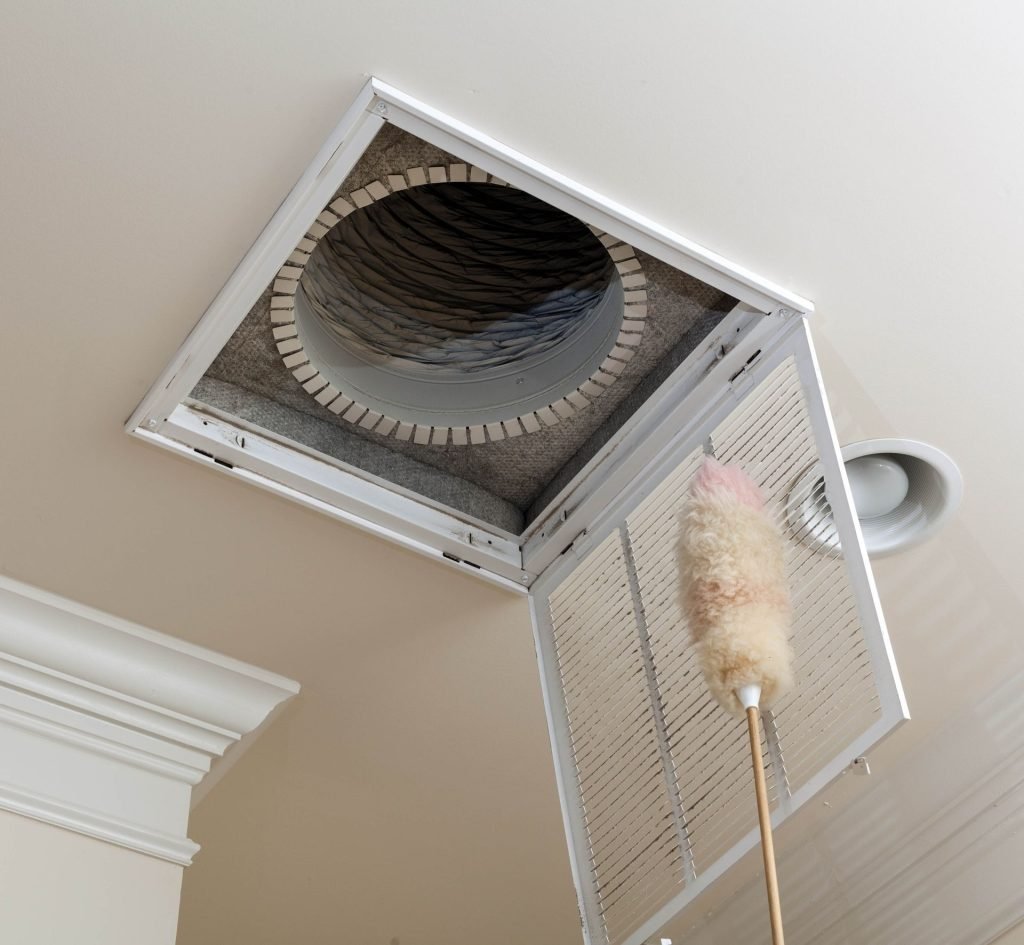
It is tempting to try DIY air duct disinfection, especially with online tutorials promising quick fixes. Unfortunately, improper cleaning often loosens debris without removing it. This can spread mold spores deeper into the system and throughout the home.
Using the wrong chemicals or fogging agents may also expose your family to harmful residues. Professional equipment and training ensure that duct cleaning and disinfection protect your health instead of putting it at risk.
How Professional Services Make a Difference
Professional Air Duct Cleaning Services use specialized tools and controlled methods to clean every part of the system safely. Trained technicians understand airflow patterns, moisture sources, and how to prevent future contamination.
For homeowners, this means peace of mind. Instead of guessing, you know your ducts are clean, sanitized, and safe for daily use. When paired with dryer vent cleaning, professional service also improves system efficiency and reduces fire hazards.
Preventing Mold After Disinfecting Your Air Ducts
Cleaning is only half the journey. Prevention keeps your home healthy long-term.
Control Moisture and Humidity
Use dehumidifiers in damp areas and address leaks quickly. Mold thrives where moisture lingers.
Change Filters Regularly
Replacing filters every one to three months improves airflow and reduces dust buildup.
Schedule Routine Maintenance
Regular residential air duct cleaning helps maintain clean ducts and prevents future mold growth.
These habits work together to support lasting HVAC hygiene.
Final Thoughts
Your home should feel like a place where you can truly relax. Clean, disinfected air ducts support that feeling by removing unseen threats that affect your comfort and health. Simple steps, paired with professional care when needed, can transform the air you breathe every day.
When you invest in proper duct cleaning and sanitizing, you are investing in better sleep, fewer allergies, and a home that feels fresh again.
Frequently Asked Questions
Q1. How often should air ducts be disinfected?
A: Most homes benefit from sanitizing every three to five years, or sooner if there are odors, mold concerns, or allergy symptoms.
Q2. Is air duct disinfecting safe for children and pets?
A: Yes, when EPA-approved products are used correctly by trained professionals.
Q3. Can disinfecting ducts remove mold completely?
A: When combined with thorough cleaning and moisture control, disinfection is highly effective at eliminating mold and preventing regrowth.
Q4. Do clean ducts really improve indoor air quality?
A: Absolutely. Removing dust, bacteria, and mold reduces airborne irritants and supports healthier breathing.
Q5. Is professional cleaning worth the cost?
A: Professional services provide deeper cleaning, safer disinfection, and long-term results that DIY methods cannot match.