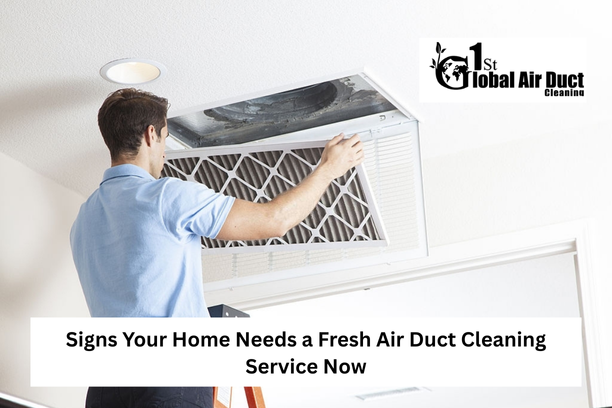
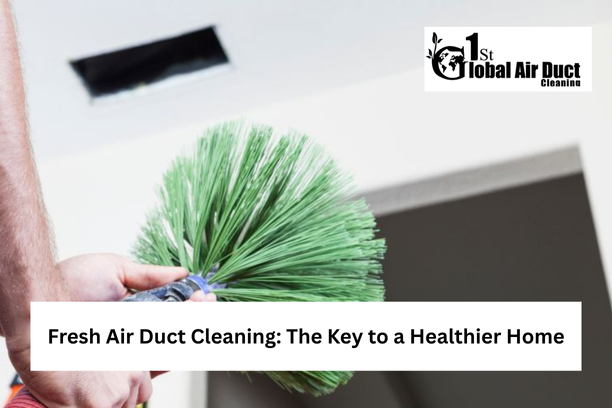
Air ducts are the lifeline of your home’s HVAC system, circulating heated or cooled air throughout every room. Yet, many homeowners overlook routine maintenance until problems arise. Scheduling air duct maintenance service at the right intervals is essential to protect your indoor air quality, improve system efficiency, and extend the lifespan of your HVAC system.
While there is no one-size-fits-all schedule, understanding the factors that influence maintenance frequency and recognizing early warning signs can help you plan proactive care for your home.
Why Regular Air Duct Maintenance Matters
Regular air duct maintenance involves inspecting, cleaning, and servicing your ducts to ensure optimal airflow and indoor air health. Proper maintenance helps:
- Reduce dust, debris, and allergens circulating in your home
- Prevent airflow restrictions that strain your HVAC system
- Minimize odors from mold, mildew, or trapped particles
- Support energy efficiency and lower utility bills
- Extend the life of your heating and cooling equipment
In essence, scheduling maintenance is not just about cleanliness—it’s about protecting your home’s comfort, safety, and indoor air quality.
What the EPA Says About Air Duct Cleaning Frequency
The Environmental Protection Agency (EPA) does not mandate a fixed schedule for air duct cleaning. According to the EPA, routine cleaning is not always necessary unless there are specific issues. Maintenance should be considered when:
- Visible mold is present inside the ducts
- Ducts are infested with pests
- Excessive dust or debris is noticeable inside ductwork or around vents
- Debris is being released into the home from the vents
The EPA emphasizes that professional, qualified technicians should perform any cleaning or maintenance to avoid damaging the HVAC system.
Typical Frequency Guidelines (General Rule of Thumb)
For most households, general recommendations suggest scheduling air duct maintenance every 2 to 5 years. However, this range can vary depending on environmental conditions, household activity, and system usage. Homes with certain factors may require more frequent service:
Homes that may need earlier maintenance include:
- Houses with pets that shed frequently
- Homes with smokers
- Residences with young children or allergy sufferers
- After home renovations or construction, which can introduce dust
- Homes in dusty or polluted environments
- Older duct systems with accumulated debris
While these guidelines are helpful, inspection-based scheduling ensures your system receives care when it truly needs it.
Key Factors That Affect Maintenance Frequency
Several factors can influence how often you should schedule air duct maintenance:
Home Environment Conditions
Homes in areas with high dust, pollen, or pollution may accumulate debris more quickly, requiring earlier cleaning and inspection. Seasonal changes, such as dry winters or pollen-heavy springs, can also impact maintenance needs.
Household Activity Levels
Large families, multiple pets, or frequent indoor activities can increase the rate at which dust and debris collect in ducts. Homes with heavy laundry loads or cooking activities may also experience higher levels of airborne particles circulating through the system.
HVAC Usage and Age
Systems that run year-round naturally accumulate more dust and dirt than seasonal systems. Older HVAC units may have deteriorating ductwork or leaks, which can trap debris and reduce airflow efficiency.
Construction or Renovation
Any recent remodeling or construction in your home can introduce sawdust, drywall particles, and other debris that quickly settle in ductwork, necessitating earlier maintenance.
Signs of Poor Airflow or Contamination
Unusual odors, increased dust on surfaces, uneven heating or cooling, or noisy ducts can indicate your system needs inspection and potential maintenance sooner than the typical schedule.
Difference Between Cleaning and Maintenance
It’s important to distinguish between air duct cleaning and air duct maintenance service:
- Cleaning removes dust, debris, and visible buildup inside the ducts.
- Maintenance includes cleaning when necessary, as well as inspection, airflow checks, minor repairs, and ensuring the system operates efficiently.
Proactive maintenance ensures the system performs optimally, preventing problems before they escalate.
Signs You Need Air Duct Service Sooner
Even if your ducts are within the typical 2–5 year schedule, certain warning signs indicate immediate attention:
Warning Signs Include:
- Dust buildup around vents or registers
- Persistent musty or unusual odors
- Rooms are not heating or cooling evenly
- Increased allergy symptoms among occupants
- HVAC system strain, unusual noise, or higher energy bills
If any of these signs appear, don’t wait for your next scheduled maintenance—schedule a professional inspection promptly.
How Often Professionals Recommend Maintenance
Professional HVAC and duct service companies often recommend:
- Inspection: Annually
- Full maintenance and cleaning: Every 2–5 years depending on home conditions
- Special circumstances: More frequent visits for homes with pets, renovations, or heavy dust exposure
Technicians typically adjust maintenance schedules based on inspection results, which ensures personalized care for each home.
Conclusion
1st Global Air duct Cleaning is a crucial component of a healthy, efficient home. While the EPA does not prescribe strict timelines, scheduling service every 2–5 years—and more frequently when conditions require—helps maintain indoor air quality, improve HVAC performance, and protect your home from unnecessary risks.
By paying attention to warning signs, understanding the factors that drive duct contamination, and engaging professional services, homeowners can enjoy cleaner air, more efficient systems, and peace of mind.
FAQs
Q1: How often should air ducts be checked?
Ans: Air ducts should be inspected at least once a year, with cleaning or maintenance performed as needed.
Q2: What factors influence how often ducts need cleaning?
Ans: Pets, smoking, renovations, dust levels, HVAC usage, and climate can all affect cleaning frequency.
Q3: Does air duct cleaning improve HVAC performance?
Ans: Yes. Cleaning removes debris that restricts airflow, allowing the system to operate efficiently and extend equipment life.
Q4: Should maintenance be done every year?
Ans: Inspection is recommended annually, but full maintenance, including cleaning, is typically required every 2–5 years.
Q5: What’s the difference between cleaning and maintenance?
Ans: Cleaning removes debris, while maintenance includes inspection, airflow checks, minor repairs, and cleaning when necessary to ensure optimal performance.