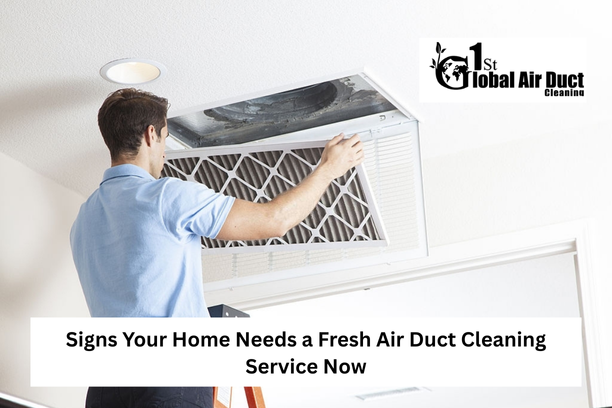
Most homeowners focus on visible cleanliness, but indoor air quality often goes unnoticed. HVAC air ducts operate behind walls and ceilings, quietly circulating air throughout your home. When these ducts are not cleaned regularly, they can become a source of hidden health problems that affect everyone indoors.
At 1st Global Air Duct Cleaning, we frequently inspect HVAC systems that appear normal on the outside but contain years of accumulated contaminants. These hidden pollutants can silently impact breathing, comfort, and overall well-being.
How HVAC Air Ducts Become Contaminated
HVAC systems pull air from inside the home, condition it, and redistribute it through ductwork. Along the way, airborne particles are carried into the ducts. While air filters trap some debris, many contaminants bypass filtration and settle inside the system.
Over time, moisture from cooling cycles allows dust and particles to cling to duct surfaces. Without professional cleaning, this buildup continues year after year.
Common Contaminants Found in Unclean Air Ducts
As contaminants accumulate, they form a mixture that can directly affect indoor air quality. During professional air duct cleaning, the most common substances found include:
- Household dust and dust mites
- Mold spores and mildew
- Pollen and outdoor allergens
- Pet dander and hair
- Bacteria and viruses
- Chemical residues and VOCs
- Insect debris and rodent droppings
Each of these pollutants can circulate through your home whenever the HVAC system runs.
Hidden Health Risks Linked to Dirty HVAC Air Ducts
Respiratory Irritation and Allergic Reactions
When contaminated air passes through unclean ducts, allergens and fine particles are repeatedly inhaled. This constant exposure can irritate airways and trigger immune responses.
Common symptoms include sneezing, nasal congestion, coughing, itchy eyes, and throat irritation. Individuals with asthma or allergies often experience more frequent flare-ups, especially when spending long hours indoors.
Mold Exposure and Microbial Growth
Moisture inside ductwork creates an environment where mold and bacteria can grow. Once mold spores become airborne, they spread throughout the home and may lead to respiratory infections and chronic sinus issues.
Prolonged exposure to mold-contaminated air has also been linked to fatigue, headaches, and increased sensitivity to airborne irritants.
Weakened Immune Response Over Time
Poor indoor air quality places continuous stress on the body. When occupants breathe polluted air daily, the immune system may become overworked, making it harder to fight off common illnesses.
This can result in:
- Frequent colds or respiratory infections
- Longer recovery times
- Increased inflammation in sensitive individuals
Children and older adults are especially vulnerable to these effects.
Chemical and VOC Inhalation
Volatile organic compounds (VOCs) released from cleaning products, paints, furniture, and building materials can become trapped inside air ducts. Over time, these chemicals recirculate through the HVAC system.
Exposure to VOCs may cause:
- Headaches and dizziness
- Eye and throat irritation
- Difficulty concentrating
- Disrupted sleep patterns
Fatigue, Poor Sleep, and Indoor Discomfort
Breathing polluted air during sleep can interfere with proper oxygen intake. Many homeowners report feeling tired or congested upon waking, even after a whole night’s rest.
Unclean ducts contribute to stale indoor air, making it harder for the body to fully relax and recover overnight.
Signs Your HVAC Air Ducts May Be Affecting Your Health
Because air duct contamination is hidden, symptoms are often mistaken for seasonal allergies or unrelated issues. Common warning signs include:
- Allergy symptoms that worsen indoors
- Persistent musty or dusty odors from vents
- Excessive dust buildup shortly after cleaning
- Uneven airflow or stuffy rooms
- Family members feeling better outside than inside.
If several of these signs occur together, professional duct inspection is recommended.
How Professional Air Duct Cleaning Protects Your Health
Surface cleaning and filter changes alone cannot remove contamination deep inside ductwork. Professional air duct cleaning addresses the source of airborne pollutants.
At 1st Global Air Duct Cleaning, our services include:
- Complete HVAC air duct cleaning
- Removal of dust, allergens, and microbial contaminants
- Inspection for mold and pest activity
- Vent and return cleaning
- Dryer vent cleaning to reduce fire risk.
Our professional equipment safely extracts debris without spreading contaminants back into your home.
How Often Should HVAC Air Ducts Be Cleaned?
Most homes benefit from professional air duct cleaning every three to five years. However, more frequent cleaning may be necessary for homes with pets, allergy sufferers, smokers, recent renovations, or water damage.
A professional assessment helps determine the best schedule for your specific environment.
Reducing Future Health Risks
While duct contamination cannot be entirely avoided, regular maintenance helps limit buildup:
- Replace HVAC filters on schedule
- Keep vents clean and unobstructed.
- Schedule routine HVAC system inspections.
- Seal duct leaks when necessary.y
Combining these steps with professional air duct cleaning offers the best long-term protection.
Conclusion
Unclean HVAC air ducts can quietly contribute to serious health concerns without obvious warning signs. From respiratory irritation and mold exposure to fatigue and weakened immunity, the effects often develop gradually.
Professional air duct cleaning from 1st Global Air Duct Cleaning helps restore cleaner airflow, improve indoor air quality, and protect your family’s health. Addressing hidden duct contamination is an essential step toward a healthier home.
FAQs
Can dirty air ducts cause health problems?
Yes. Pollutants inside unclean ducts can aggravate allergies, asthma, and respiratory conditions.
How do I know if mold is inside my air ducts?
Musty odors, visible mold near vents, and worsening respiratory symptoms may indicate contamination. A professional inspection is recommended.
Does air duct cleaning improve indoor air quality?
Removing accumulated dust, allergens, and microbial growth helps reduce airborne pollutants and improve airflow.
Is air duct cleaning safe for HVAC systems?
When performed by trained professionals using proper equipment, it is safe and beneficial for system performance.
Why choose 1st Global Air Duct Cleaning?
We provide thorough inspections, professional cleaning methods, and services focused on long-term indoor air quality and customer safety.