“Air duct cleaning is a powerful step toward a healthier, more comfortable home. By removing hidden dust, allergens, and contaminants, it protects the air your family breathes and helps your HVAC system perform at its best. With professional care, your home feels fresher, safer, and truly at ease because clean air changes everything.”
Maintaining a healthy home goes beyond sweeping floors or wiping counters. One area many homeowners overlook is the air they breathe. Air duct cleaning is a vital service that ensures the air circulating through your home is clean, your HVAC system runs efficiently, and your indoor environment is safe. Yet, the process often seems mysterious, leaving homeowners unsure of what to expect. This guide breaks down air duct cleaning services step by step, so you understand the value of professional care and can make informed decisions.
What Air Duct Cleaning Really Involves
At its core, air duct cleaning is the thorough removal of dust, debris, and contaminants from your HVAC system. This includes supply and return ducts, vents, grilles, registers, and the main trunk lines. A professional cleaning also addresses accessible system components, such as blowers and fan compartments that can reintroduce dust if left untreated.
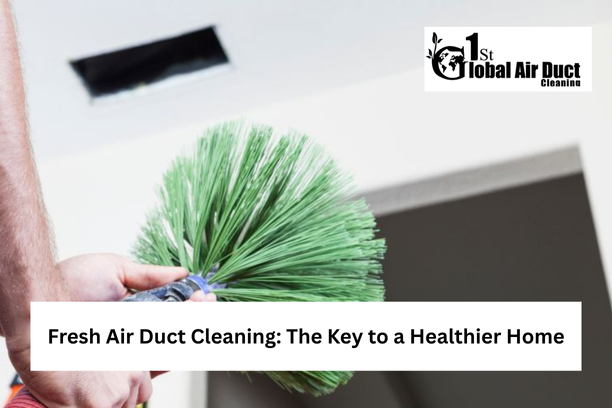
The process begins with a detailed inspection to identify buildup, airflow restrictions, or contamination. Then, trained technicians use specialized equipment, such as rotating brushes, compressed air tools, and high-powered vacuums, to dislodge and remove debris from the duct system. Unlike surface cleaning or DIY methods, professional Air Duct & Dryer Vent Cleaning targets the entire airflow system, ensuring cleaner air throughout your home.
Signs Your Air Ducts Need Cleaning
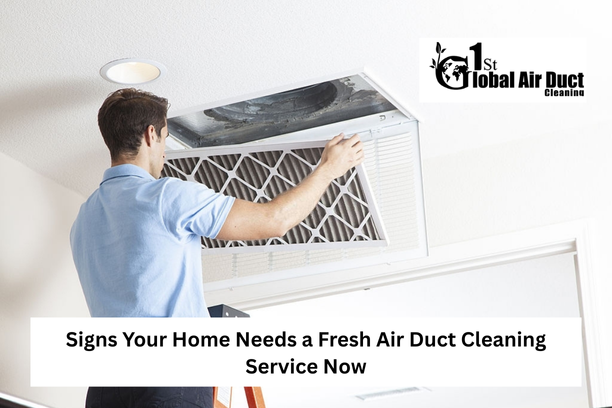
Your home has a quiet way of telling you when something isn’t right, and your air ducts are no different. Because ductwork is hidden behind walls and ceilings, problems often build up silently until they start affecting your comfort, health, and overall indoor environment. If you notice changes in air quality, rising dust levels, or unusual odors, your duct system may be asking for attention. Recognizing these signs early allows you to take action before small issues turn into costly repairs or ongoing discomfort.
Common signs your air ducts may need cleaning include:
- Excessive dust buildup around vents, registers, or on furniture shortly after cleaning indicates dust is being recirculated through the system.
- Increased allergy or asthma symptoms, such as sneezing, coughing, or breathing discomfort when the HVAC system is running.
- Musty or stale odors coming from vents, which may signal moisture, mold, or mildew inside the ductwork.
- Uneven airflow or rooms that struggle to heat or cool properly due to restricted air movement.
- Post-construction dust inside the system after renovations, remodeling, or building projects.
When these warning signs appear, professional air duct cleaning can restore clean airflow, improve indoor air quality, and help your HVAC system run more efficiently. Most importantly, it brings back a sense of comfort and peace, knowing the air your family breathes every day is cleaner and healthier.
Preparing Your Home
A little preparation before your air duct cleaning appointment can make a big difference in how smoothly the service goes. Taking a few simple steps helps protect your belongings, keeps everyone safe, and allows technicians to work efficiently. More importantly, it ensures the cleaning process is as thorough and effective as possible, so you receive the full benefit of the service.
Here are a few important ways to prepare your home:
- Clear access to all vents and registers by moving furniture, rugs, or decorative items out of the way. This saves time and ensures technicians can clean every vent without obstacles.
- Ensure the HVAC unit is easily accessible, whether it is located in a basement, attic, closet, or utility room. Remove stored items or clutter around the unit to provide a safe working area.
- Secure pets in another room or an enclosed space. The noise from equipment and open vents can be stressful for animals, and keeping them away protects both your pets and the technicians.
- Consider covering nearby furniture and flooring with sheets or plastic for extra peace of mind, especially near vents. While professional cleaning is well-contained, this extra step can help you feel more comfortable.
Proper preparation allows technicians to focus entirely on delivering a deep, careful cleaning without unnecessary interruptions or risk of damage. It also helps ensure the process is completed efficiently, leaving your home cleaner, your air fresher, and your family breathing easier.
What Happens During Professional Air Duct Cleaning
Professional air duct cleaning is not a quick surface wipe or a simple vacuum of visible vents. It is a carefully planned, step-by-step process designed to remove contaminants from deep within your HVAC system while protecting your home and equipment. Knowing what happens during the service can bring peace of mind and help you understand the true value of professional care.
Here is what you can expect during a professional air duct cleaning appointment:
- Inspection: Technicians begin with a detailed inspection of your duct system and HVAC components. They look for dust buildup, blockages, moisture issues, and airflow restrictions. This step helps identify problem areas and determines the best approach for cleaning your specific system.
- Containment: Specialized equipment is set up to keep debris contained. High-powered vacuum systems create negative pressure inside the ductwork, ensuring that loosened dust and contaminants are pulled toward the vacuum instead of escaping into your living space.
- Cleaning: Using rotating brushes, air whips, and compressed air tools, technicians gently agitate the interior surfaces of the ducts. This loosens stubborn dust, debris, pet hair, and allergens that cling to the duct walls. As material is dislodged, it is immediately captured by the vacuum system.
- Component Cleaning: Registers, grilles, and vent covers are removed, cleaned, and sanitized. Accessible HVAC components, such as blower compartments and fan housings, are also cleaned to prevent debris from reentering the ductwork after service.
- Final Inspection: Once cleaning is complete, technicians inspect the system again to ensure ducts are clear, components are properly reinstalled, and airflow is restored. They confirm that everything is sealed, functional, and operating correctly.
This meticulous approach separates a true professional air duct cleaning service from rushed or DIY attempts. It ensures that contamination is removed at the source, your system is protected, and your home is left with cleaner air, better airflow, and renewed comfort.
How Long Does It Take?
Cleaning a typical home’s duct system usually takes between four and six hours. That time is more than a number on a clock. It reflects the care, patience, and dedication needed to protect the air your family breathes every day.
Every home is unique. The time required depends on several important factors that directly affect the quality of the results.
Home size and the number of vents play a major role. Larger homes have more rooms and more vents. That also means more places for dust, allergens, and debris to hide. Each vent needs careful attention to support clean, balanced airflow throughout your living space.
The design of the HVAC system also matters. Systems with multiple zones, older ductwork, or hard-to-reach areas require extra skill and care. Taking the time to clean these areas properly helps the system breathe again. It also reduces strain and improves overall efficiency.
The level of contamination is another key factor. Light dust buildup can be handled more quickly. Heavy buildup from years of dirt, pet dander, mold spores, or construction debris takes more time. A slower, detailed approach is essential to restore clean air and peace of mind.
Larger properties or heavily contaminated systems may need additional time. Rushing the process only compromises quality and leaves issues behind. A careful, methodical cleaning ensures nothing is missed. When it comes to the air inside your home, your comfort, health, and well-being are always worth the time.
Benefits of Professional Air Duct Cleaning
Professional air duct cleaning is more than a routine service; it’s a heartfelt investment in the comfort, health, and long-term happiness of your home. As time passes, dust, allergens, and invisible pollutants quietly collect inside your ductwork, affecting the air your family breathes every single day. A deep, professional cleaning removes these hidden burdens, restoring a sense of freshness, safety, and peace of mind. It’s about creating a space where your loved ones can breathe freely, feel comfortable, and truly relax, knowing their home supports their well-being.
Key benefits of professional air duct cleaning include:
- Improved indoor air quality: Removes dust, allergens, pet dander, and airborne pollutants, making the air cleaner and gentler to breathe, especially for children, seniors, and those with allergies or respiratory issues.
- Better HVAC efficiency: Clean ducts allow air to flow smoothly, reducing strain on your heating and cooling system and helping lower energy bills.
- Extended HVAC system lifespan: Eliminates buildup that causes wear and tear, helping prevent costly repairs and protecting your investment for years.
- Reduced household odors: Gets rid of musty smells from mold, mildew, and accumulated dust, leaving your home smelling fresh and inviting.
- Enhanced everyday comfort: Creates a healthier, more balanced living environment where your family can feel at ease.
When done properly, professional air duct cleaning transforms more than just your air; it transforms how your home feels. It brings comfort, clarity, and a renewed sense of warmth, allowing you and your family to breathe easier and truly feel at home.
Final Thoughts (H2)
Air duct cleaning is more than a routine home service; it’s a crucial step in protecting your health, your HVAC system, and your indoor comfort. Proper cleaning ensures that dust, allergens, and contaminants are removed at the source, not just from visible surfaces. By trusting a professional air duct cleaning company, homeowners gain peace of mind, improved air quality, and a system that works efficiently for years to come.
If you’re noticing dust buildup, airflow issues, or musty odors, scheduling professional service is the smartest choice for a cleaner, healthier home.
FAQs
Q1: Can air duct cleaning reduce allergy symptoms?
A: Yes. Removing dust, pollen, pet dander, and other contaminants can significantly reduce allergic reactions and improve breathing indoors.
Q2: Is it safe for all HVAC systems?
A: Professional cleaning is safe for both older and modern systems when done by trained technicians using proper equipment.
Q3: How long before I notice a difference?
A: Many homeowners notice fresher air and less dust immediately after the service. Full benefits, like improved HVAC efficiency, may be observed over weeks.
Q4: Can I clean my ducts myself?
A: DIY methods only address surface dust. True air duct cleaning requires professional tools to remove contaminants throughout the system.
Q5: How do I choose a reputable company?
A: Look for certified technicians, transparent pricing, clear explanations of what’s included, and positive customer reviews.
Q6. Are chemicals necessary?
A: Most air duct cleaning relies on mechanical methods. Chemicals or sprays are rarely required and are only used in specific cases, such as deodorizing after cleaning.
Q7. Will it make a mess?
A: Professional systems use negative pressure and sealed vacuums to prevent debris from escaping. Homeowners typically notice less dust, not more, after the service.
Q8. How often should ducts be cleaned?
A: Many homes benefit from annual cleaning. Homes with pets, smokers, allergies, or recent construction may require more frequent service.
Q9. What affects cost?
A: Pricing depends on home size, number of vents, system complexity, and contamination level. Avoid unusually cheap offers; they often cut corners.