“Bad smells from air vents usually happen when dust, moisture, mold, or debris build up inside the ductwork or HVAC system. When the air turns on, it spreads those trapped odor particles throughout your home. In many cases, professional air duct cleaning can remove the source and restore fresher indoor air. The key is identifying whether the smell is truly coming from the system, so the right solution can bring your comfort back.”
There is nothing more frustrating than turning on your HVAC system and being hit with a wave of unpleasant odor from your vents. You expect comfort. Instead, you get musty air that makes you question what is circulating through your home. It can feel unsettling, especially when you care about your indoor air quality and your family’s health.
The truth is, bad smells coming from air vents are more common than most homeowners realize. Sometimes the cause is simple dust buildup. Other times, it can be something deeper inside the HVAC system. The key is understanding what is creating the odor and whether air duct cleaning can actually fix the problem. Let’s break it down clearly and honestly.
What Causes Bad Smells Coming From Air Vents?
When your HVAC system runs, air travels through your ductwork and carries whatever it passes over. If something inside the system smells, that odor spreads throughout your home.
Here are the most common causes of vent odor:
1. Dust and Debris Buildup
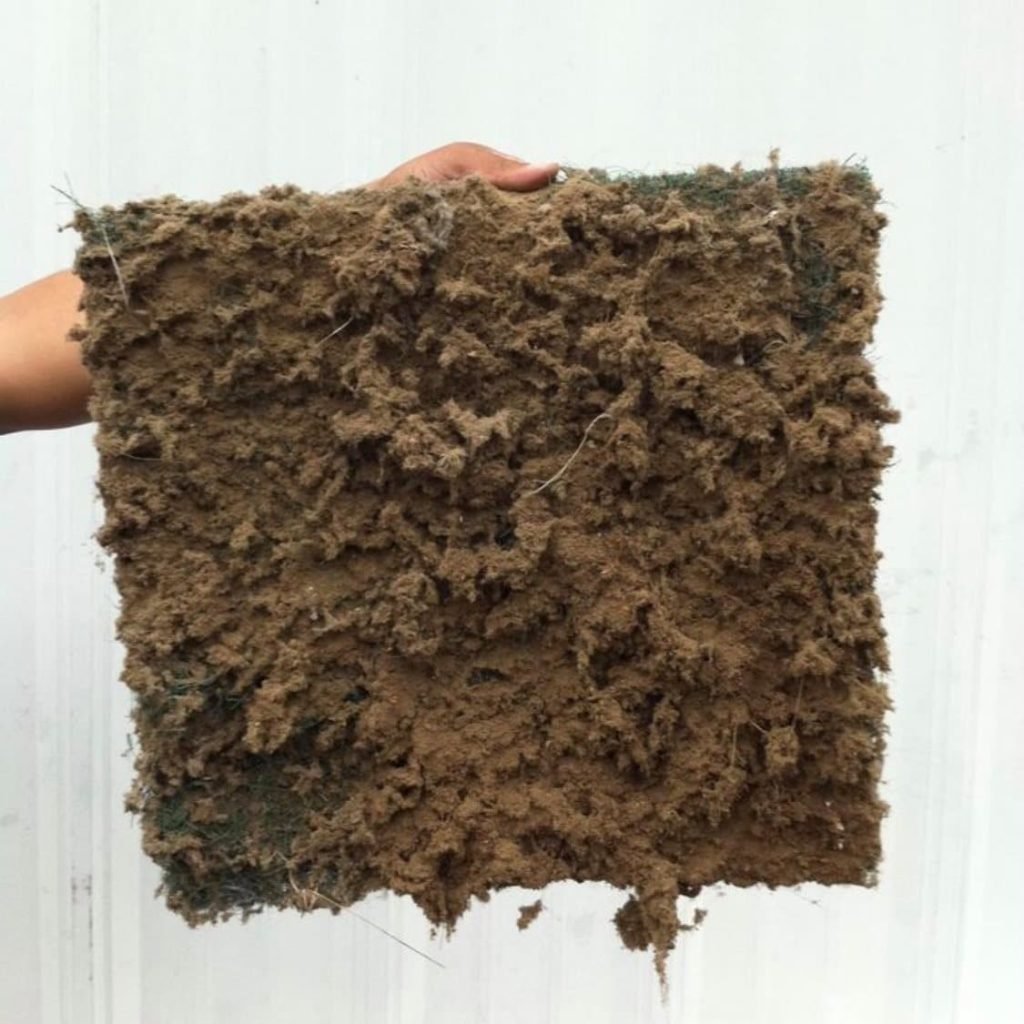
Over time, dust accumulation in ductwork becomes inevitable. This can include dirt, insulation particles, construction debris, and even tiny food particles. When air flows across these materials, it can produce a stale or dusty smell.
2. Mold and Mildew Growth
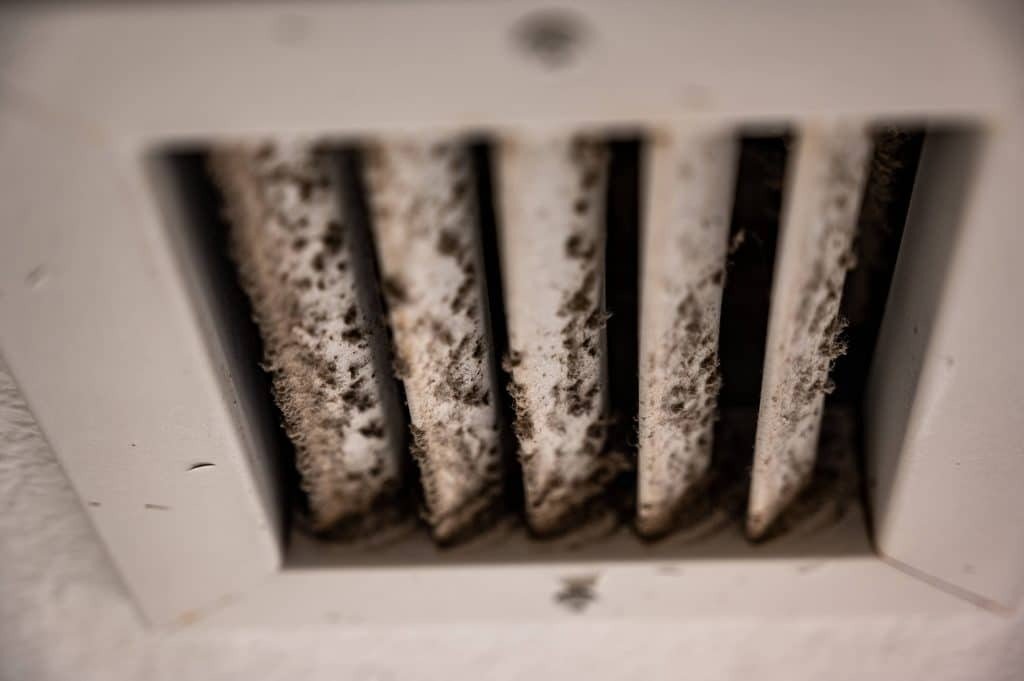
Mold in air ducts is one of the most concerning causes of odor. When moisture builds up inside ducts, it creates the perfect environment for microbial growth. That familiar musty smell is often linked to mildew growth in HVAC systems.
3. Pet Dander and Hair
Homes with pets often experience pet dander in ventilation systems. When this builds up, it can produce a noticeable odor, especially when combined with dust and humidity.
4. Dead Insects or Rodents
Unfortunately, rodents in air ducts or trapped insects can create strong, unpleasant smells. Even small animals can cause a noticeable odor once decomposition begins.
5. Excess Moisture
Moisture in air vents can come from condensation, leaks, or clogged drain lines. Damp duct interiors can trap and intensify odors over time.
6. Dirty HVAC Components
Sometimes the smell is not inside the ducts themselves. Dirty evaporator coils, clogged drain pans, or neglected filters can all contribute to dirty sock syndrome HVAC issues, where the system releases a sour smell when it starts up.
Why Do Smells Get Stronger When the System Turns On?
Many homeowners describe the same frustrating moment. The house feels fine, then the air conditioner or heater turns on, and suddenly that unpleasant smell fills the room. It can be confusing because the odor does not always linger all day. It seems tied directly to the system running.
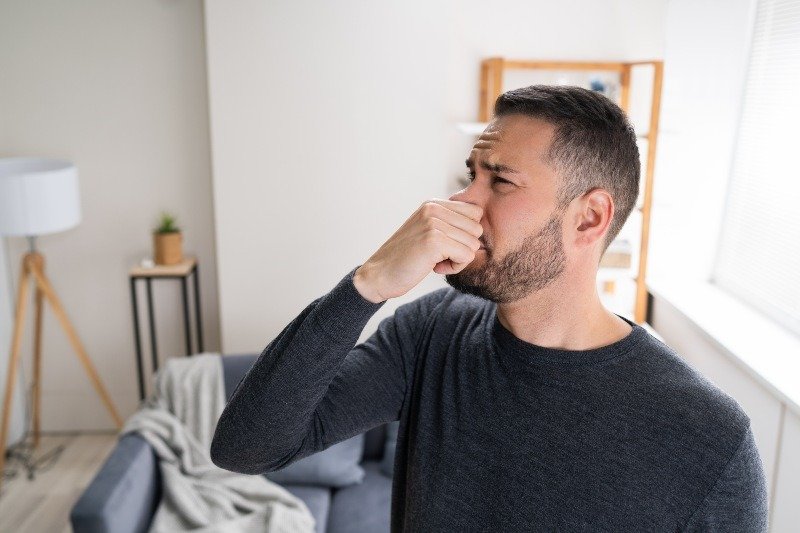
Here is what is really happening.
When your HVAC system is off, contaminants inside the ductwork sit undisturbed. Dust, pet dander, moisture, or even small debris settle along the interior surfaces of the ducts. In some cases, there may be bacterial growth, mildew, or residue sitting on coils and drain pans. While the air is still, those odor particles remain mostly contained.
The moment your system kicks on, everything changes.
Air begins moving rapidly through the return vents, into the air handler, and back out through the supply vents. That strong airflow acts like a delivery system. It lifts and redistributes microscopic particles that were resting inside the ductwork. If those particles carry odor, the smell travels with them and spreads throughout your home within seconds.
This is why the smell often feels sudden and intense. It is not necessarily that the odor just formed. It was already there, sitting quietly inside the system. The airflow simply activated it.
If you only notice the smell when the system runs, that is a strong indicator that the source is connected to HVAC airflow contamination. The issue is likely somewhere in the path the air travels. That could include:
- Dust layers lining the duct interiors
- Moisture buildup allows mildew to form
- Dirty evaporator coils
- Clogged or damp drain pans
- Organic debris trapped inside the ductwork
- Even a small animal intrusion, in rare cases
When air passes over these materials, it absorbs odor molecules. Then it carries them into every room connected to the system. That is why one small issue inside the HVAC system can make the entire home smell.
In the cooling season, you may notice a musty or damp smell when the air conditioner starts. This often points to condensation and moisture-related buildup. In heating season, a burning dust smell can occur if dust has settled on heating components during months of inactivity. While some mild odor at first startup can be normal, persistent or strong smells are not.
There is also an emotional side to this experience. When the air turns on, and the smell follows, it can make you feel uneasy. You may start wondering what you are breathing in. You may feel frustrated that something meant to bring comfort is doing the opposite. Your HVAC system should create a sense of relief, not concern.
The key takeaway is simple. If the odor appears specifically when airflow begins, the system itself is likely part of the problem. Identifying whether the issue is inside the ducts, the air handler, or another component is the next step. Once the source is found and addressed, that overwhelming wave of odor when the system kicks on can finally become a thing of the past.
Can Air Duct Cleaning Remove Odors?
Air duct cleaning can absolutely help, but only if the smell is coming from material inside the ducts.
When professional technicians perform air duct & dryer vent cleaning, they remove built-up dust, debris, pet hair, and other contaminants that may be holding odor particles. Once the physical source is gone, the air circulating through your home often smells fresher and cleaner.
However, duct cleaning is not a magic solution for every situation. If the odor source is mold inside walls, plumbing issues, or smoke embedded into carpets and drywall, cleaning the ducts alone will not completely solve the problem.
When Air Duct Cleaning Is Most Effective
Cleaning can make a powerful difference when the signs are clear, and the source of the odor is sitting inside your ductwork. Many homeowners live with unpleasant smells for months, unsure whether cleaning will truly help. But when buildup is the root cause, removing it can completely change how your home feels. The air becomes lighter. The rooms feel fresher. And that constant worry about what is circulating through your vents finally starts to fade.
There are certain situations where cleaning is especially effective:
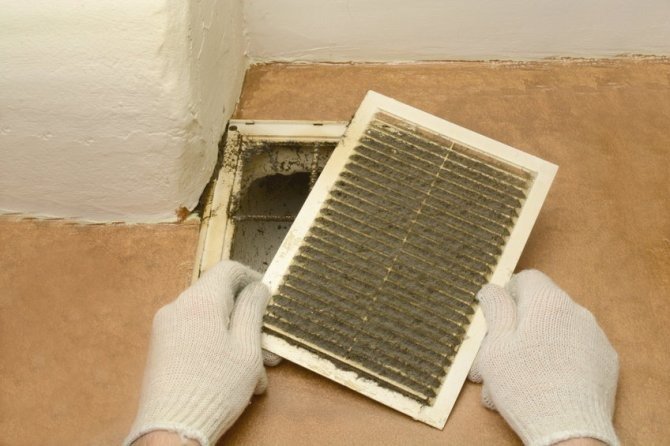
- Visible debris inside the vents
If you can actually see dust, dirt, or particles lining the vent openings, that material is not just sitting there quietly. Every time your system runs, air passes over it and carries odor particles into your home.
- Recent home renovations
Remodeling projects leave behind fine construction dust, drywall residue, and insulation particles. Even if the house looks spotless, debris may still be hiding inside the duct system, waiting to be pushed back into your living space. - A persistent musty smell from the vents
That damp, stale odor often points to dust mixed with moisture somewhere inside the system. Cleaning removes the buildup that holds onto those unpleasant smells. - No history of proper air duct maintenance
If your ducts have never been cleaned, years of accumulated contaminants may be restricting airflow and circulating stale air throughout the home. - Odors that began after HVAC installation
A new system can push stronger airflow through old ductwork, disturbing settled debris and spreading odors that were previously unnoticed.
In these situations, removing buildup does more than eliminate smells. It improves airflow, reduces contamination, and restores a sense of comfort inside your home. When the system runs, and the air smells clean instead of stale, you truly feel the difference.
When Cleaning May Not Be Enough
There are cases where air duct cleaning should be part of a bigger solution:
- Active mold growth on structural materials
- Strong smoke damage or chemical contamination
- Plumbing-related sewer smells
- HVAC components like coils or drain pans are causing odor
If mold contamination is confirmed inside the ductwork, specialized remediation may be required before standard cleaning. Cleaning alone does not replace professional mold removal.
Does Cleaning Spread Dust or Make Smells Worse?
This is a common fear. When done incorrectly, yes, it can. But professional HVAC cleaning uses negative air pressure systems that pull debris into sealed collection equipment. The process is designed to prevent contaminants from being pushed back into your living space.
That is why hiring experienced technicians matters. DIY attempts often stir up more dust than they remove.
What About Duct Sanitizing Treatments?
Some homeowners ask about using air duct sanitizing chemicals after cleaning. These treatments are meant to reduce bacteria and lingering odors.
In certain cases, light odor issues may improve with sanitizing. However, sanitizing does not remove solid debris or resolve structural mold problems. It works best as an add-on after thorough cleaning, not as a replacement for it.
Don’t Forget About Dryer Vents
Interestingly, odors can sometimes be linked to neglected dryer systems. Lint buildup and trapped moisture inside dryer vents can create unpleasant smells that travel into shared ventilation areas.
Scheduling professional dryer vent cleaning alongside duct cleaning ensures your entire airflow system is addressed, not just one section.
Signs It’s Time to Take Action
You should consider an inspection if:
- The smell is strongest when the air is blowing
- You see dust puffing from vents
- Allergies worsen indoors
- You notice uneven airflow in your home
- It has been years since your last service
Ignoring vent odors rarely makes them disappear. In many cases, they become stronger as the buildup increases.
Final Thoughts
Bad smells coming from air vents are your home’s way of signaling that something needs attention. Sometimes the issue is simple dust accumulation in ductwork. Other times, it could involve moisture, pet dander, or deeper HVAC concerns.
Air duct cleaning can be highly effective when the odor source is inside the duct system. It removes the material that traps and spreads smells. But it is important to identify the true cause first. A professional inspection helps you avoid unnecessary services and ensures you address the root problem.
Clean air changes how a home feels. It restores comfort, confidence, and that sense of freshness we all want when we walk through the door.
Frequently Asked Questions
Q1. How often should air ducts be cleaned?
A: Most homes benefit from cleaning every 3 to 5 years, but homes with pets, allergies, or recent renovations may need it sooner.
Q2. Can mold inside ducts make you sick?
A: Yes, mold spores circulating through the air can trigger allergies and respiratory irritation. Proper identification and remediation are important.
Q3. Will cleaning eliminate musty odors?
A: If the odor source is inside the ducts, cleaning often significantly reduces or eliminates it. If the source is elsewhere, additional steps may be needed.
Q4. Is duct sanitizing necessary?
A: Not always. It may help with minor odor issues after cleaning, but it is not required in every situation.
Q5. How do I know if the smell is coming from my HVAC system?
A: If the odor gets stronger when your heating or cooling turns on, your HVAC system is likely involved.