“Air duct contamination quietly affects the air your family breathes every day, often without obvious warning signs. By understanding what causes buildup, choosing professional cleaning methods, and following simple prevention steps, you protect your home’s comfort and health. Clean air ducts mean easier breathing, fewer allergies, and a home that truly feels safe and refreshing.”
Your home should feel like a place of comfort and safety, not a source of hidden health risks. Yet, many homeowners overlook one critical system that quietly affects every breath they take: their air ducts. While dusting furniture and vacuuming floors help, they do not address what builds up deep inside your ductwork. Over time, air duct contamination can compromise your indoor air quality and your family’s well-being without you even realizing it.
Let’s walk through what causes air duct contamination, how professionals clean it properly, and what you can do to prevent it from coming back.
What Causes Air Duct Contamination?
Air ducts act like the lungs of your home, quietly pulling air from your HVAC system and delivering it to every room where your family lives, sleeps, and relaxes. While this process keeps your home comfortable, it also carries unwanted particles into the ductwork. Over time, these particles settle, combine, and multiply, creating hidden contamination that directly affects the air you breathe every day.
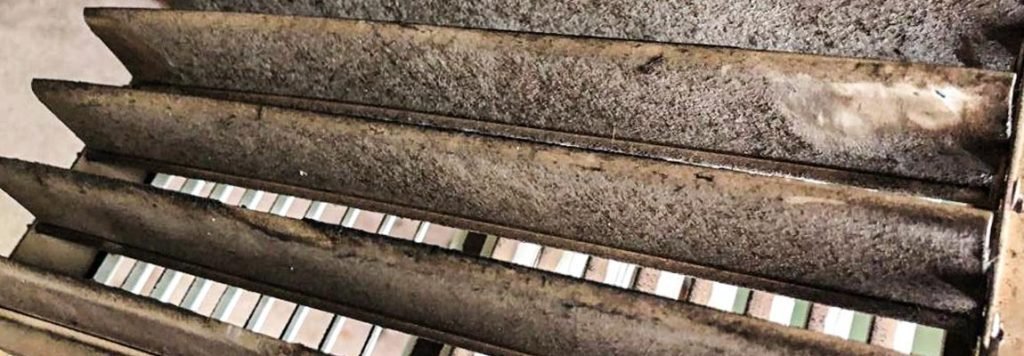
One of the most common causes is dust and debris from daily living. Every time you walk across the floor, open doors, cook meals, or bring items into your home, tiny particles lift into the air. Eventually, your HVAC system pulls them into the ducts, where they accumulate layer by layer. As this buildup grows, it begins circulating back into your living space, making it harder to keep your home truly clean.
Moisture is another major contributor. Even small leaks, condensation, or high humidity inside ductwork can create the perfect environment for mold growth. Once mold takes hold, it spreads quickly, releasing spores that travel through vents and into the air you breathe. This often leads to musty odors, allergy flare-ups, and ongoing respiratory irritation.
Dust mites and allergens also thrive inside contaminated ducts. These microscopic irritants feed on dust and organic matter, triggering sneezing, coughing, itchy eyes, and asthma symptoms. For allergy sufferers, this constant exposure can turn everyday life at home into a struggle for comfort.
Bacteria and microorganisms circulate easily through dirty duct systems. When ducts remain uncleaned, harmful microbes can travel from room to room every time the system runs. As a result, minor illnesses may linger longer, and respiratory discomfort becomes more frequent, especially for children and seniors.
Outdoor pollutants add another layer of risk. Pollen, vehicle emissions, and other airborne contaminants enter through ventilation openings, doors, and windows. Once inside, they settle in the ductwork and repeatedly cycle through your home, even long after allergy season ends.
Rodents and insects can also contaminate ducts, particularly in neglected or poorly sealed systems. Nesting materials, droppings, and debris introduce harmful bacteria and unpleasant odors into the airflow. This hidden contamination poses serious health concerns and often goes unnoticed until symptoms appear.
Finally, organic decay from trapped moisture and debris accelerates the problem. When dust, moisture, and biological material combine, they create an ideal breeding ground for contamination. Over time, this buildup spreads throughout your home each time the HVAC system operates.
In the end, as these pollutants quietly build up, the air inside your home begins to lose its freshness. Gradually, sneezing turns persistent, coughs linger longer, and headaches and fatigue become part of the daily routine. What seems like ordinary discomfort may actually be your home asking for help. However, hope begins with awareness. When you understand the causes, you take the first powerful step toward change. By paying attention, you protect the health, comfort, and peace of everyone under your roof because your home should heal you, not harm you.
Signs Your Air Ducts May Be Contaminated
Because most ductwork remains hidden, contamination often goes unnoticed. However, your home still sends warning signs if you know what to look for.
You may have contaminated ductwork if you notice:
- Excessive dust settling shortly after cleaning
- Musty or unpleasant odors coming from vents
- Visible mold near vent covers or registers
- Increased allergy or asthma symptoms indoors
- Unexplained respiratory irritation or frequent illness
- Evidence of pests or droppings near vents
At this point, surface cleaning alone will not solve the problem. Instead, a professional inspection becomes essential to identify the true condition of your ducts.
How Professionals Clean Contaminated Air Ducts
Once contamination becomes evident, attempting a DIY solution often causes more harm than good. Professionals use specialized tools and techniques to remove contaminants safely and thoroughly.
Step 1: Inspection and Assessment
Technicians inspect the ductwork to identify mold, debris, moisture issues, and airflow restrictions. This step helps determine the level of contamination and the right cleaning approach.
Step 2: Deep Mechanical Cleaning
Using advanced equipment, professionals loosen and extract dust, debris, and buildup from the duct interior. This stage forms the foundation of effective Duct cleaning services, ensuring contaminants no longer circulate through your home.
Step 3: Targeted Treatments
When microbial growth exists, experts apply antibacterial & fungal treatments to neutralize bacteria, mold spores, and fungi. This step goes beyond basic cleaning and directly improves air safety.
Step 4: Supporting Services
In many homes, technicians also recommend residential air duct cleaning combined with dryer vent cleaning to eliminate lint, dust, and moisture that contribute to contamination and fire hazards.
Together, these steps restore cleaner airflow, reduce allergens, and help your HVAC system perform more efficiently.
Why Professional Cleaning Matters
Professional cleaning does more than remove visible debris. It protects your health, your comfort, and your investment in your home.
The benefits include:
- Improved indoor air quality
- Reduced allergy and asthma triggers
- Fewer airborne bacteria and allergens
- Better HVAC efficiency and airflow
- Lower energy consumption
- Longer system lifespan
Most importantly, clean ducts bring peace of mind. Knowing your family breathes cleaner air every day changes how your home feels.
How to Prevent Future Air Duct Contamination
Once your ducts are clean, prevention becomes the key to long-term protection. Small habits and regular maintenance make a powerful difference.
Replace and Maintain Air Filters
High-quality air filters trap dust, allergens, and bacteria before they enter the ductwork. Change them regularly to keep airflow clean and unrestricted.
Control Moisture and Leaks
Moisture invites mold growth faster than anything else. Make sure your ducts remain dry, sealed, and properly insulated to prevent condensation.
Schedule Routine HVAC Maintenance
Regular HVAC checkups keep the system balanced, clean, and efficient. Preventive maintenance stops small issues before they turn into serious contamination problems.
Keep Vents and Registers Clean
Vacuum vent covers periodically and keep them clear of furniture and debris. This simple habit supports better ventilation and airflow.
Address Problems Early
If you notice odors, visible mold, or worsening allergies, do not wait. Early action prevents contamination from spreading throughout your home.
Final Thoughts
Air duct contamination often hides in plain sight, quietly affecting your health and comfort every single day. By understanding the causes, choosing professional cleaning methods, and following smart prevention strategies, you take control of your home’s air quality. Clean ductwork supports healthier breathing, stronger energy, and a home that truly feels safe. Every breath matters, and your ducts play a bigger role than you may think.
FAQs
Q1: How often should air ducts be cleaned?
Most homes benefit from professional cleaning every 3 to 5 years, or sooner if allergies, mold, or pets are present.
Q2: Can dirty air ducts cause health problems?
Yes. Contaminated ducts can worsen allergies, asthma, and respiratory irritation due to circulating dust, bacteria, and allergens.
Q3: Does air duct cleaning remove mold completely?
Cleaning removes debris, but mold often requires specialized antibacterial and fungal treatments for full removal.
Q4: Are dirty air ducts linked to higher energy bills?
Absolutely. Blocked airflow forces the HVAC system to work harder, increasing energy consumption.
Q5: Is professional cleaning better than DIY methods?
Yes. Professionals use specialized tools and knowledge to clean ductwork safely and thoroughly without spreading contaminants.