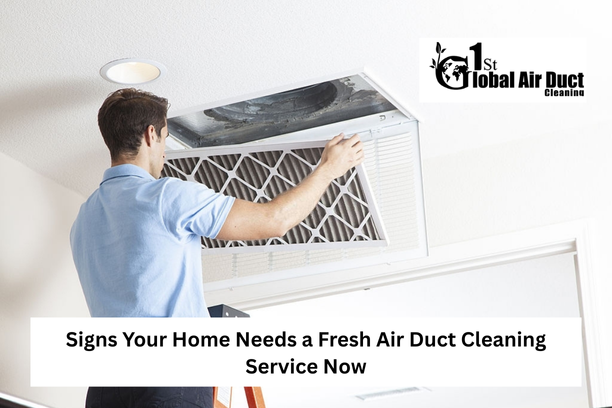
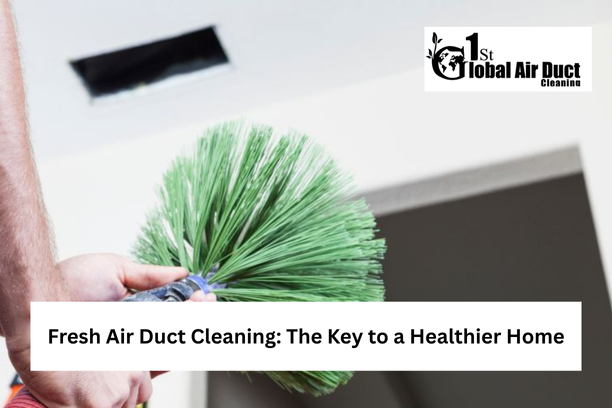
“Air duct sanitizing and disinfecting improve indoor air quality by targeting hidden contaminants like bacteria, mold, and viruses inside your HVAC system. It goes beyond standard cleaning to reduce allergens, eliminate odors, and support healthier breathing. By understanding the process and benefits, homeowners can make smarter choices to protect comfort, health, and peace of mind.”
Indoor air quality directly affects your health and comfort. While many homeowners focus on visible dust and cleaning surfaces, the air circulating through your HVAC system and ducts quietly carries airborne particles throughout your home every day. These particles, dust, mold spores, bacteria, and viruses can build up over time, creating potential health risks for your family.
That’s why air duct sanitizing and disinfecting are so important. By going beyond traditional cleaning, these treatments target invisible contaminants and help create a safer, healthier environment. With a clear understanding of the process and benefits, you can make informed choices to protect your home’s air and ensure your family breathes easier every day.
The Hidden Impact of Dirty Air Ducts on Your Home
Air ducts are more than just metal tubes hidden behind walls; they are the lifeblood of your home’s air circulation. Every time your HVAC system turns on, air flows through these ducts, traveling to every corner of your house. This is meant to provide comfort, keeping your home warm in winter and cool in summer. But when your air ducts accumulate dust, dirt, mold spores, pet dander, and other microorganisms, they stop being just conduits for clean air; they become vehicles for allergens and harmful particles.
Unlike visible dust on furniture, the buildup inside air ducts is largely invisible. You don’t see it, but it silently infiltrates the air you and your family breathe day after day. Over time, this hidden accumulation can trigger a wide range of problems that affect health, comfort, and even your home’s energy efficiency.
Health Risks You Might Not Realize
Dirty air ducts can worsen allergies, trigger asthma attacks, and make breathing more difficult for those with respiratory sensitivities. Symptoms may include:
- Sneezing or coughing that seems to appear out of nowhere
- Runny or stuffy noses, itchy eyes, and irritated throats
- Wheezing or shortness of breath, particularly at night or during physical activity
- Increased susceptibility to respiratory infections
For children, seniors, and individuals with chronic conditions, these airborne irritants can have an even greater impact, reducing energy, concentration, and overall quality of life.
Unpleasant Odors and Lingering Particles
Dirty ducts don’t just carry allergens; they also carry smells. From musty odors caused by mold and mildew to lingering pet or cooking scents, the particles trapped in your ducts circulate continuously, making it difficult to keep your home smelling fresh, no matter how often you clean surfaces.
Impact on HVAC Efficiency and Energy Costs
When dust and debris build up, your HVAC system has to work harder to push air through the ducts. This strain can reduce system efficiency, raise energy bills, and shorten the lifespan of your heating and cooling equipment. What starts as a small dust accumulation can quickly snowball into a costly problem.
The Solution: Sanitizing and Disinfecting
Air duct sanitizing and disinfecting go beyond surface cleaning. It targets the root cause of contamination, removing harmful microorganisms like bacteria, mold, and viruses while reducing allergens and dust. This not only improves the air quality in your home but also creates a healthier environment for everyone who lives there. Clean, sanitized ducts help:
- Reduce allergy and asthma flare-ups.
- Minimize unpleasant odors
- Improve overall HVAC efficiency.
- Provide peace of mind knowing your family is breathing safer air.
In essence, maintaining clean, sanitized air ducts is not just a matter of hygiene; it’s a vital step toward protecting your home, your health, and the comfort of your loved ones. The air you breathe every day shapes your well-being, and your ducts play a pivotal role in that.
Cleaning vs. Sanitizing vs. Disinfecting
Your air ducts are like the circulatory system of your home, quietly moving air through every room. What you might not realize is that they can also be a hidden source of allergens, bacteria, mold, and viruses. That’s why understanding the differences between air duct cleaning, sanitizing, and disinfecting is so important. Each serves a distinct purpose in keeping your indoor air safe and healthy for your family.
1. Air Duct Cleaning Services: The Essential First Step
Air duct cleaning is the foundation of maintaining clean indoor air. This process focuses on removing solid matter that has accumulated inside your ductwork over time, including:
- Dust and dirt
- Pet dander
- Pollen
- Fabric fibers
- Small debris from pests
This buildup might seem harmless at first, but it silently circulates throughout your home every time your HVAC system runs. For allergy sufferers, children, or anyone sensitive to airborne particles, this can trigger sneezing, coughing, congestion, and itchy eyes.
By scheduling air duct cleaning services, you are removing the core of these irritants. This step is crucial because it not only improves air quality but also prevents further accumulation of allergens, helping your HVAC system run more efficiently and reducing wear and tear. It’s about creating a clean slate for healthier air, something your family will feel immediately.
2. Residential Air Duct Cleaning and Sanitizing: Going Beyond Clean
Sanitizing your air ducts is the next step, especially for homes with allergy sufferers, pets, or residents with respiratory sensitivities. While standard cleaning removes dust and debris, sanitizing reduces bacteria, mold spores, and other microorganisms that thrive in ductwork.
This process often involves applying safe, EPA-registered solutions that coat the surfaces inside your ducts, neutralizing harmful microbes without leaving toxic residues. The benefits of sanitizing include:
- Fewer allergy flare-ups and respiratory irritations
- Reduced risk of mold growth and associated odors
- Healthier air circulation for the whole family
Sanitizing is a preventative measure that adds a layer of protection to your home. It’s especially valuable in households with pets, where dander and allergens are constantly present, or after a minor water leak that could encourage microbial growth. Essentially, it’s about giving your family a safer, cleaner environment to breathe in every day.
3. Air Duct Cleaning and Disinfecting: Complete Protection
Disinfecting is the most intensive treatment, designed to eliminate harmful bacteria, viruses, and fungi that may be lurking in your ducts. This process is particularly important if your home has experienced:
- Water damage or leaks
- Illness within the household
- Mold outbreaks
- Concerns about airborne viruses like COVID-19
Disinfecting goes beyond cleaning and sanitizing by killing microorganisms on contact, preventing them from spreading further through your home. The process often uses proven disinfectants like Sporicidin, which is safe, low-toxic, and highly effective against bacteria, viruses, and fungi.
The result is not just clean air, but truly safe air, air that protects your family from allergens, illness, and invisible threats that can impact long-term health. For anyone concerned about the well-being of their household, disinfection is the ultimate step in ensuring peace of mind.
How Air Duct Sanitizing Works
Your home’s air ducts quietly move air throughout every room, keeping your family comfortable. However, when dust, allergens, mold, and harmful microorganisms accumulate, they can silently affect your health and comfort. That’s why air duct sanitizing and disinfecting are so important—they go beyond regular cleaning to truly protect the air your family breathes.
First, professionals use precise methods like sporicidal fogging. During this process, ultra-fine droplets travel through every duct, coating surfaces from the main lines to the smallest vents. As a result, bacteria, viruses, mold, and other harmful microorganisms no longer threaten your indoor air quality.
In addition, technicians apply EPA-registered, low-toxic solutions such as Sporicidin, which remain safe for children, pets, and anyone with respiratory sensitivities. At the same time, they carefully inspect the system, maintain proper ventilation, and ensure every part of your HVAC works effectively. Because of this, your ducts stay clean, and your family can breathe easier.
Beyond cleanliness, air duct sanitizing reduces allergy flare-ups, minimizes airborne illnesses, and improves HVAC efficiency. Ultimately, it transforms your home into a true sanctuary, a place where comfort, safety, and health come together in every breath you take.
Benefits of Air Duct Sanitizing and Disinfecting
- Healthier Indoor Air
Air duct sanitizing and disinfecting significantly improves indoor air quality by removing harmful contaminants such as dust, allergens, bacteria, mold spores, and viruses. Since air ducts circulate air throughout your home, keeping them clean ensures that the air you breathe is fresher, cleaner, and safer for everyone in the household.
- Reduced Allergy and Respiratory Symptoms
Clean, disinfected air ducts help minimize common allergy triggers like pollen, pet dander, dust mites, and mold. This can lead to fewer symptoms such as sneezing, coughing, nasal congestion, and asthma flare-ups, making daily life more comfortable, especially for individuals with respiratory conditions.
- Elimination of Unpleasant Odors
Over time, air ducts can trap odors from pets, cooking, smoke, moisture, and mold growth. Sanitizing and disinfecting the ductwork removes odor-causing bacteria and buildup, leaving your home smelling cleaner and more pleasant.
- Improved HVAC System Efficiency
When air ducts are clean and free of contaminants, air flows more efficiently through the HVAC system. This reduces strain on the system, helps maintain consistent temperatures, and can lower energy consumption, ultimately reducing utility bills and extending the lifespan of your HVAC equipment.
- Protection for Vulnerable Residents
Air duct sanitizing is especially important for households with children, elderly individuals, or people with weakened immune systems. Reducing harmful microorganisms in the air, it creates a safer living environment and lowers the risk of illness caused by airborne contaminants.
- Peace of Mind
Knowing that your air ducts are properly sanitized and disinfected provides confidence that your home’s air is clean and healthy. This peace of mind allows you to focus on comfort and well-being, knowing you’ve taken an important step toward protecting your family’s health.
When Should You Consider Sanitizing and Disinfecting?
Your home should be a place of comfort, safety, and peace. But when the air you breathe is compromised, it can quietly affect your health and well-being. Sanitizing and disinfecting your air ducts becomes especially important during certain situations where your family’s health may be at greater risk.
When a Family Member Has Asthma, Allergies, or Respiratory Illness
If someone in your home struggles with asthma, seasonal allergies, or chronic respiratory issues, poor indoor air quality can make everyday life harder. Contaminants circulating through dirty ducts can trigger coughing, wheezing, shortness of breath, and constant discomfort. Disinfecting your air ducts helps reduce these triggers, allowing your loved ones to breathe easier and feel more at ease in their own home.
When You Have Pets in the Home
Pets bring unconditional love, but they also bring fur, dander, and odors that easily collect inside air ducts. Over time, these particles circulate through your living space, affecting air quality and comfort. Sanitizing your duct system helps remove pet-related allergens and odors, creating a fresher, healthier environment for both your family and your furry companions.
When You Notice Musty or Unpleasant Odors
A lingering musty or foul smell coming from your vents is more than just unpleasant; it’s often a warning sign. Odors can indicate mold, mildew, moisture, or bacteria growing inside your ductwork. Disinfecting the system not only removes the smell but also addresses the source, restoring clean, fresh air throughout your home.
After Water Leaks or Flooding in the HVAC System
Water damage in or around your HVAC system creates the perfect environment for mold and bacteria to grow. Even after repairs are made, moisture can remain hidden inside ducts. Sanitizing and disinfecting after leaks or flooding helps eliminate harmful microorganisms before they spread, protecting your home and your health.
When Mold, Bacteria, or Viruses Are Suspected
If you suspect mold growth or are concerned about bacteria and viruses circulating through your home, disinfecting your air ducts provides an added layer of protection. It helps stop contaminants from being redistributed into every room, giving you confidence that your indoor air is safer for everyone.
For Extra Protection in High-Risk Situations
While regular duct cleaning is usually enough for routine maintenance, sanitizing and disinfecting offer an extra level of care during high-risk situations. It’s about going beyond basic cleaning to protect what matters most, your family’s health, comfort, and peace of mind.
Because every breath you take at home should feel clean, safe, and comforting.
The Sanitizing and Disinfecting Process
Step 1: Inspection
Technicians check your ductwork for debris, mold, and other contaminants.
Step 2: Air Duct Cleaning
Professional Air Duct Cleaning Services remove dirt, dust, and clogging debris from ducts, vents, and registers.
Step 3: Sanitizing and Disinfecting
A certified disinfectant is applied using methods like fogging or spraying. It ensures every surface inside the ducts is treated.
Step 4: Optional Dryer Vent Cleaning
Air Duct & Dryer Vent Cleaning can be added to ensure lint and dust don’t recirculate in your home.
Step 5: Final Inspection
Technicians verify that ducts are clean and free from contaminants.
Safety of Air Duct Disinfection
Professional technicians ensure that disinfectants are applied correctly and safely. Solutions like Sporicidin are low-toxic, fragrance-free, and widely used in hospitals and healthcare facilities. When applied by certified personnel, air duct sanitizing is completely safe for your family.
Final Thoughts
Air duct sanitizing and disinfecting is more than just a cleaning service; it’s a step toward a healthier home. By combining residential air duct cleaning, proper filtration, and disinfecting treatments, you protect your family from allergens, bacteria, and viruses that silently affect your well-being.
Clean ducts mean cleaner air, fewer health risks, and a more comfortable living environment. Take the step today and ensure your home’s air is as safe and fresh as it should be.
FAQs
Q1. How often should air ducts be sanitized?
A: Sanitizing is generally recommended every 6–12 months or after water damage, illness, or mold issues.
Q2. Can sanitizing replace regular cleaning?
A: No. Regular air duct cleaning is essential. Sanitizing enhances safety but doesn’t remove dust or debris.
Q3. Is it safe for homes with children and pets?
A: Yes. When performed correctly using EPA-approved solutions, sanitizing is safe for all residents.
Q4. Will it help with allergy symptoms?
A: Absolutely. Reducing bacteria, mold, and dust in your ducts can minimize allergies and respiratory issues.
Q5. Can I do it myself?
A: DIY sanitizing is not recommended. Certified professionals ensure full coverage, safety, and effectiveness.