Indoor air quality directly affects comfort, health, and daily living in a home. While many homeowners focus on cleaning visible areas such as floors, furniture, and countertops, the HVAC air duct system often goes unnoticed. These ducts circulate air throughout the house, meaning anything inside them eventually becomes part of the air people breathe.
Over time, air ducts collect dust, allergens, moisture, and other pollutants. When the system operates, those contaminants can repeatedly move through the home. This article explains how air duct cleaning improves indoor air quality by addressing hidden issues and promoting cleaner airflow.
Understanding Indoor Air Quality
Indoor air quality refers to the cleanliness and healthfulness of the air inside a building for its occupants. Air inside homes can contain a mix of particles that are not always visible but still affect breathing and comfort.
Common indoor air contaminants include dust, pet dander, pollen, mold spores, bacteria, and chemical residues released during everyday activities. Poor air circulation allows these particles to remain suspended in the air for extended periods, increasing exposure.
Good indoor air quality supports easier breathing, fewer allergy symptoms, and a more comfortable living environment.
The Role of Air Ducts in Air Circulation
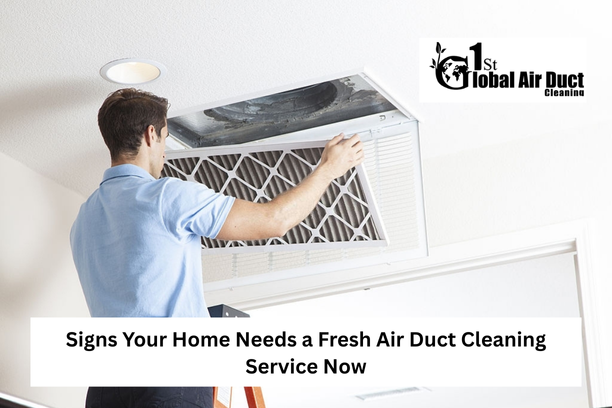
1st Global Air Duct Cleaning HVAC systems move air through a network of ducts that deliver heated or cooled air to each room. During this process, airborne particles are pulled into the system and gradually settle inside the ductwork.
Even with filters installed, acceptable debris still passes through and accumulates over time. When the system runs, some of this buildup becomes airborne again and spreads throughout the home. This cycle explains why dust and allergens can persist even in homes that appear clean.
What Accumulates Inside Dirty Air Ducts
When ducts are not maintained, they become storage spaces for unwanted material that affects air quality.
Common Contaminants Found in Air Ducts
- Dust and fine debris
- Pet hair and skin flakes
- Pollen from outdoor air
- Mold spores are linked to moisture.
- Odor-causing particles from cooking or smoking
As these materials collect, airflow becomes less efficient, and pollutants circulate more frequently through living spaces.
How Air Duct Cleaning Improves Indoor Air Quality
Air duct cleaning removes accumulated debris from inside the HVAC system. This process changes how air moves through the home, reducing exposure to airborne pollutants.
Reduction of Dust and Allergens
Cleaning removes settled dust and allergens that would otherwise be disturbed during system operation. With fewer particles inside the ducts, less debris enters the air, which can help reduce sneezing, congestion, and visible dust buildup around the home.
Control of Mold and Moisture-Related Contaminants
Moisture inside duct systems can support mold growth, especially near cooling components. Mold spores released into indoor air may cause irritation or musty odors.
Cleaning helps remove existing spores and debris, reducing the chance of continued circulation. When moisture levels are also managed, air quality improves further.
Removal of Persistent Odors
Unpleasant smells often originate from trapped debris inside ductwork. These odors can resurface every time the HVAC system runs.
By removing odor-causing material at the source, duct cleaning helps maintain fresher indoor air without masking smells with sprays or fragrances.
Improved Airflow and Circulation
Blocked or dirty ducts restrict airflow, causing uneven temperatures and stale air. After cleaning, air moves more freely through the system, reducing stagnant zones and improving overall ventilation.
Better circulation helps prevent the concentration of pollutants in certain rooms.
Support for HVAC System Performance
Cleaner ducts reduce strain on HVAC components. Systems that run smoothly are less likely to generate excess heat, moisture, or debris movement, all of which can affect indoor air quality over time.
Signs That Air Duct Cleaning May Be Needed
Certain conditions suggest that duct contamination may be affecting indoor air.
Common Warning Signs
- Dust returns quickly after cleaning
- Allergy symptoms are increasing indoors.
- Musty smells during HVAC operation
- Weak airflow from vents
- Visible debris around registers
These indicators often indicate a buildup in the duct system.
What a Professional Air Duct Cleaning Covers
Professional services focus on removing contaminants throughout the entire duct system rather than surface-level cleaning.
Typical Cleaning Steps
- Inspection of ducts and airflow
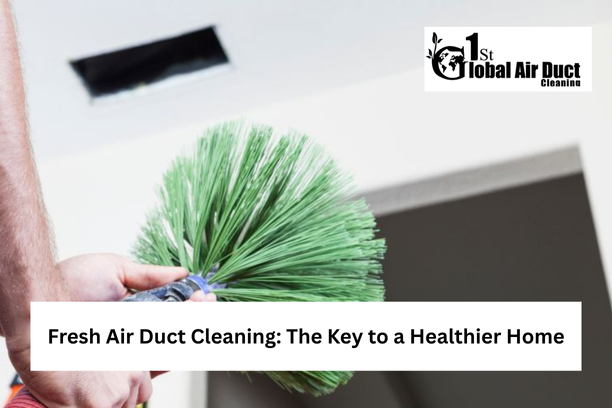
- Use of high-powered vacuum equipment
- Mechanical loosening of debris
- Cleaning of supply and return ducts
- Inspection of vents and access points
This process reaches areas that household tools cannot access.
Maintaining Cleaner Indoor Air After Duct Cleaning
Air duct cleaning works best when combined with regular indoor air maintenance.
Helpful Maintenance Practices
- Changing HVAC filters on schedule
- Selecting filters appropriate for the system
- Managing indoor humidity levels
- Keeping vents clean and unobstructed
- Scheduling routine HVAC checkups
These steps reduce future buildup and help maintain better air conditions.
Clearing Up Common Misunderstandings
Some homeowners assume air duct cleaning is unnecessary or expect unrealistic results. It does not replace routine cleaning or medical treatment, but it does address a hidden source of indoor pollutants.
When performed for the right reasons and under proper conditions, duct cleaning contributes to healthier airflow and cleaner indoor air.
Conclusion
1st Global Air Duct Cleaning improves indoor air quality by removing contaminants that continuously circulate through a home. Cleaner ducts help reduce dust, allergens, odors, and airflow restrictions while supporting consistent HVAC operation. Combined with regular maintenance, this process plays a meaningful role in creating a cleaner, more comfortable indoor environment.
FAQs
Does air duct cleaning improve indoor air quality?
Yes. It removes dust and contaminants that would otherwise circulate through the home.
How often should air ducts be cleaned?
Most homes benefit from cleaning every three to five years, depending on conditions.
Can dirty ducts affect allergies?
They can contribute to allergy symptoms by repeatedly circulating allergens.
Does duct cleaning remove mold spores?
Professional cleaning removes spores and debris linked to mold growth.
Is air duct cleaning safe for HVAC systems?
When performed correctly, it does not damage equipment and supports system performance.